

India’s energy transition is entering a new stage, driven by two closely linked developments: rapidly increasing electricity demand and the expanding contribution of renewable energy.
As manufacturing grows, digital infrastructure expands and electrification reaches sectors such as transportation, electricity is becoming increasingly important to India’s economic growth. At the same time, the country is adding solar and wind capacity at a rapid pace, bringing significant opportunities while also creating new demands on the power system.
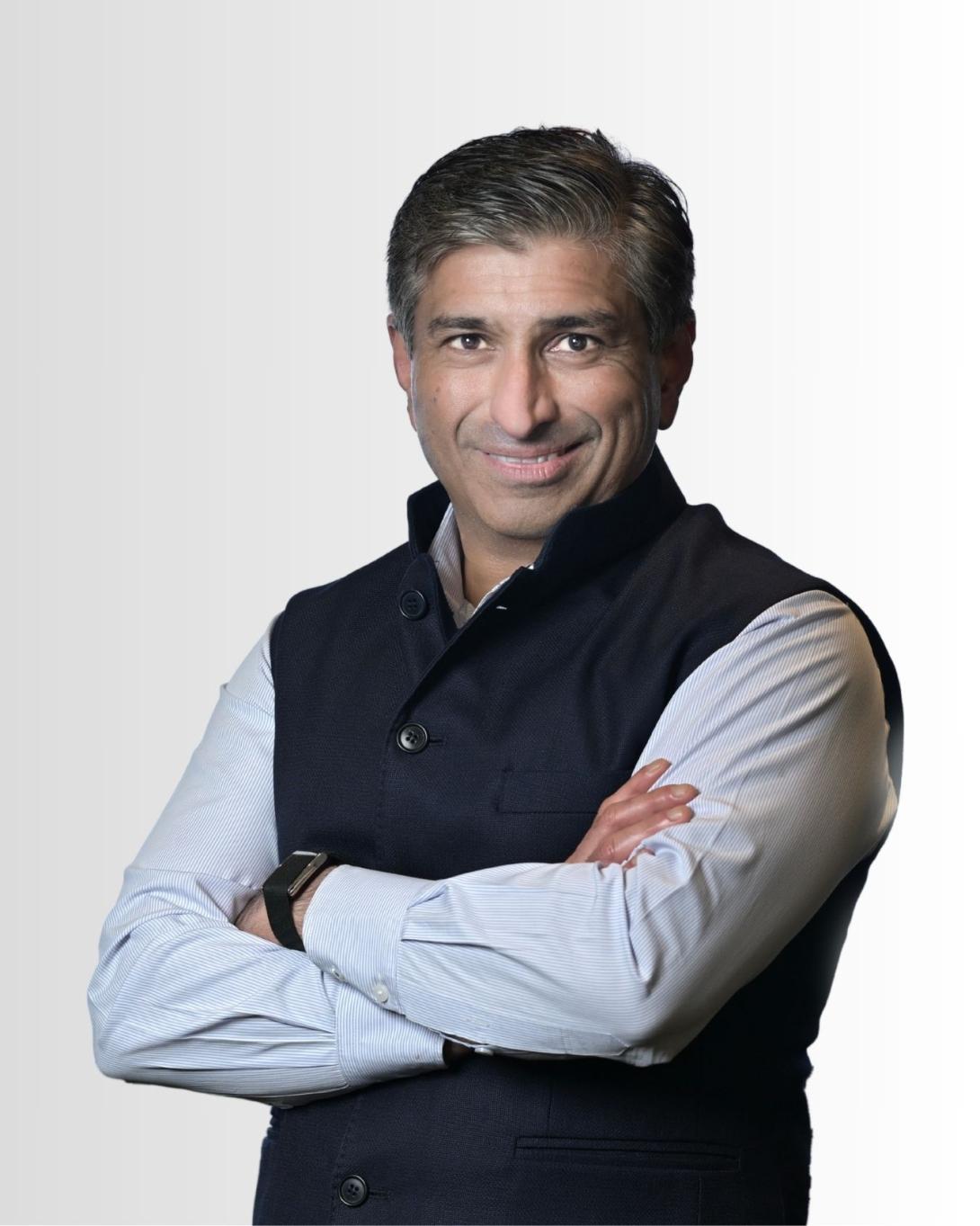
Ratul Puri, Chairman of Hindustan Power, has highlighted that India is moving towards an “era of electricity”, where renewable generation will increasingly depend on strong transmission networks, energy storage and smarter grid infrastructure. The broader point is clear: building generation capacity is only one part of the energy transition. India must also have the infrastructure to transmit, store and supply electricity when and where it is required.
India’s Evolving Power Landscape
India’s electricity demand is being shaped by economic growth, industrialisation, urbanisation and the wider adoption of electricity across different sectors. Industries require dependable power, while data centres and expanding digital infrastructure are creating additional electricity demand. The growing adoption of electric vehicles is also expected to influence the country’s future power requirements.
The International Energy Agency estimates that India’s electricity demand will increase by an average of around 6.4% each year through 2030, with industry, cooling, households, services, agriculture and transport all contributing to this growth.
Renewable energy is playing an increasingly important role in meeting this rising demand. According to Ember’s Global Electricity Review 2026, solar became India’s largest source of clean electricity in 2025, contributing 9.4% of total electricity generation. Solar and wind together accounted for 14% of India’s electricity mix.
These figures reflect the pace at which renewable energy is expanding across India. However, they also raise an important question: how can larger volumes of variable renewable power be integrated into a grid when electricity demand does not always occur at the same time as renewable generation?
Generation Capacity Is Only Part of the Transition
Solar generation is at its strongest during daylight hours, while electricity demand can remain elevated or increase after sunset. This becomes particularly significant as cooling requirements rise. According to the IEA, India’s summer peak net load generally occurs at around 8 p.m., by which time solar generation has declined significantly.
Wind power also varies depending on weather conditions and geographic location. As renewable energy takes up a larger share of the electricity mix, the power system will therefore need greater flexibility to manage fluctuations in both supply and demand.
This makes transmission infrastructure an increasingly important part of the energy transition.
Many renewable energy projects are being developed in areas with strong solar and wind resources, while major industrial, commercial and urban demand centres are often located elsewhere. Electricity therefore needs to travel over longer distances, making the expansion, strengthening and modernisation of transmission networks essential.
The Grid Is Becoming a Strategic Priority
The impact of insufficient transmission infrastructure is already becoming evident.
An Ember analysis estimated that India curtailed around 300 GWh of renewable electricity because of transmission constraints between January and March 2026, particularly across the Northern and Western regions. Overall renewable energy curtailment during the quarter was estimated at around 470 GWh, with the remaining amount linked to system inflexibility.
This highlights a key issue for India’s energy transition: renewable generation can grow more quickly than the infrastructure required to transmit and integrate that electricity into the wider power system.
Ember also reported that India had achieved only around 80% of its annual transmission targets over the previous five years. This points to the importance of closer coordination between generation planning and transmission development.
For policymakers and companies operating in the power sector, transmission is therefore becoming more than an infrastructure requirement. It is emerging as a strategic element of India’s transition towards cleaner energy.
Energy Storage and Smarter Grids
Transmission expansion by itself cannot address every challenge associated with a growing share of renewable energy.
India will also need greater access to flexible power resources that can respond quickly to changes in electricity generation and demand. Battery energy storage systems can play an important role by shifting renewable electricity from periods of high generation to times when demand is higher. They can also provide valuable grid balancing capabilities.
The IEA has highlighted the increasing role of battery storage in addressing India’s evening and night-time electricity requirements. Storage systems can help manage peak demand while reducing the need for rapid increases in conventional generation as solar output falls.
This points towards a more integrated approach to power system planning. Renewable generation, transmission infrastructure, energy storage and grid management will increasingly need to be planned and developed together instead of being treated as independent parts of the electricity system.
Moving From Renewable Capacity to Reliable Electricity
This broader shift is central to the perspective associated with Ratul Puri.
India’s energy transition cannot be assessed simply by measuring the number of gigawatts of renewable capacity installed. A more important consideration is how effectively that capacity can support a reliable and consistent electricity supply.
As Ratul Puri has emphasised, the next phase of India’s energy transition will require continued renewable energy deployment alongside stronger transmission infrastructure, energy storage and increasingly advanced grid management systems.
India has already shown that it can scale renewable generation rapidly. The next challenge is to develop the wider electricity infrastructure needed to support that growth.
With electricity becoming increasingly important to India’s economic development, the country’s energy future will depend not just on generating more clean electricity, but also on having the systems required to transmit, store and deliver that power reliably.
This will likely remain one of the defining challenges, as well as opportunities, as India moves towards a more electrified and increasingly renewable energy system.
About Ratul Puri
Ratul Puri is the Chairman of Hindustan Power, an integrated power generation company with a strong presence in renewable and transitional energy generation. Over the years, Ratul Puri has been involved in the development of large-scale energy infrastructure projects that support India’s growing power requirements and its transition toward cleaner energy sources.
About Hindustan Power
Hindustan Power is an integrated power generation company with a presence across renewable and transitional energy assets. The company continues to invest in energy infrastructure that supports reliability, sustainability and long-term value creation within India’s evolving power sector.