

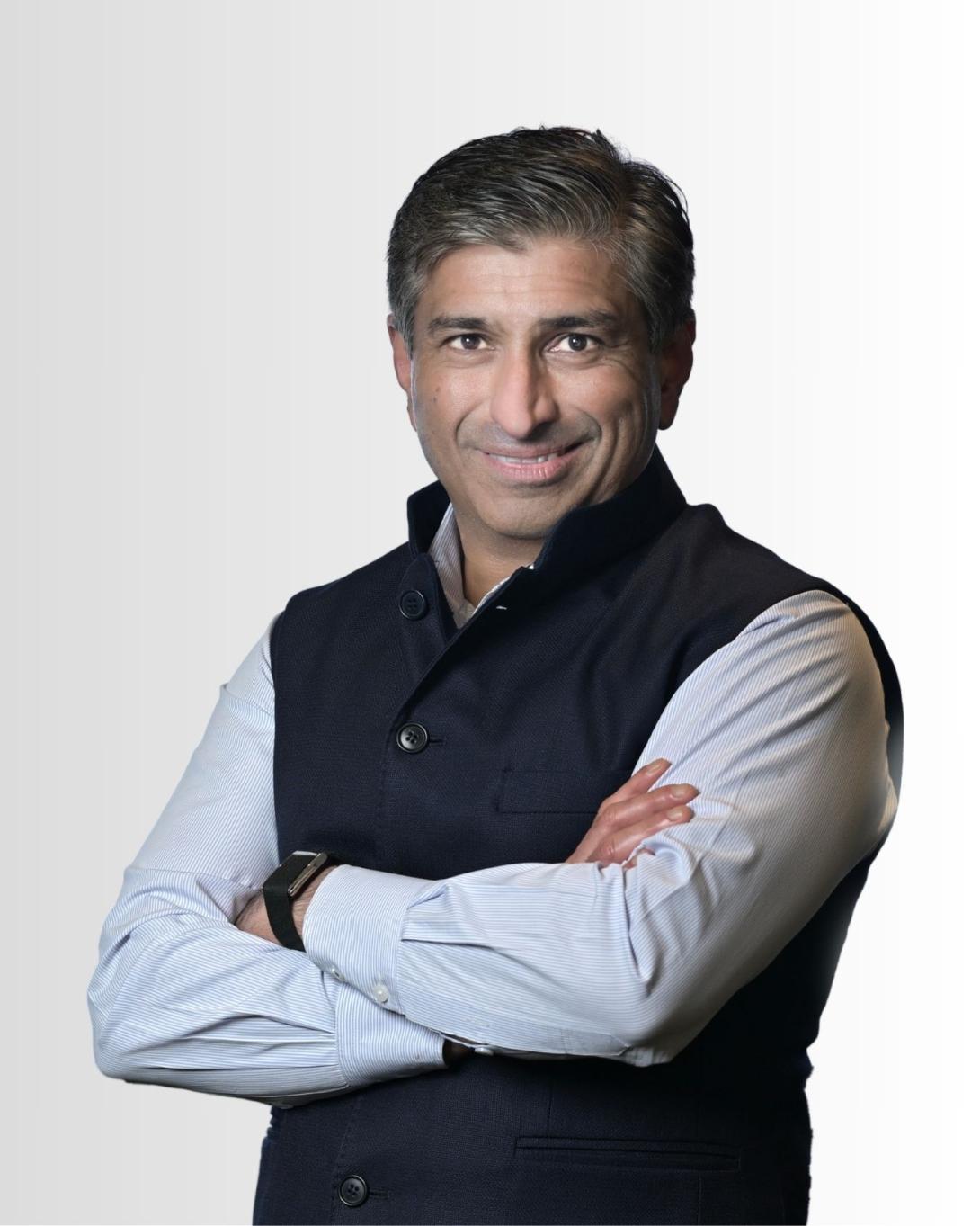
Ratul Puri, Chairman, Hindustan Power
India’s renewable energy sector is entering a new phase. Competitive tariffs, falling technology costs and growing investments have helped renewable power become a mainstream part of the country’s energy mix. As renewable capacity continues to expand, the focus is now shifting towards how this electricity can be stored, transmitted and supplied when it is actually needed.
According to Ratul Puri, Chairman of Hindustan Power, India’s power sector is going through a structural change. The focus is gradually moving from simply securing renewable generation at the lowest possible cost to creating a power system that can provide dependable, dispatchable and affordable clean energy. As renewable energy becomes a larger part of the electricity mix, adding more generation capacity alone will not be enough. What matters increasingly is how effectively that capacity can support the wider power system and meet growing electricity demand.
This becomes especially important as India works towards its 2030 non-fossil fuel capacity targets. Renewable energy procurement is therefore beginning to move beyond a simple lowest-tariff model. The value of dependable power, balancing capability and the long-term economics of the overall system are becoming increasingly important considerations.
This shift also means that the cost of renewable power needs to be looked at differently. Assessing projects only on the basis of their tariffs is becoming less adequate as renewable energy penetration rises. Transmission limitations, intermittency, balancing requirements, storage requirements and the risk of curtailment can all influence the real cost of delivering renewable power. This is why looking at the lowest overall system cost is becoming increasingly important.
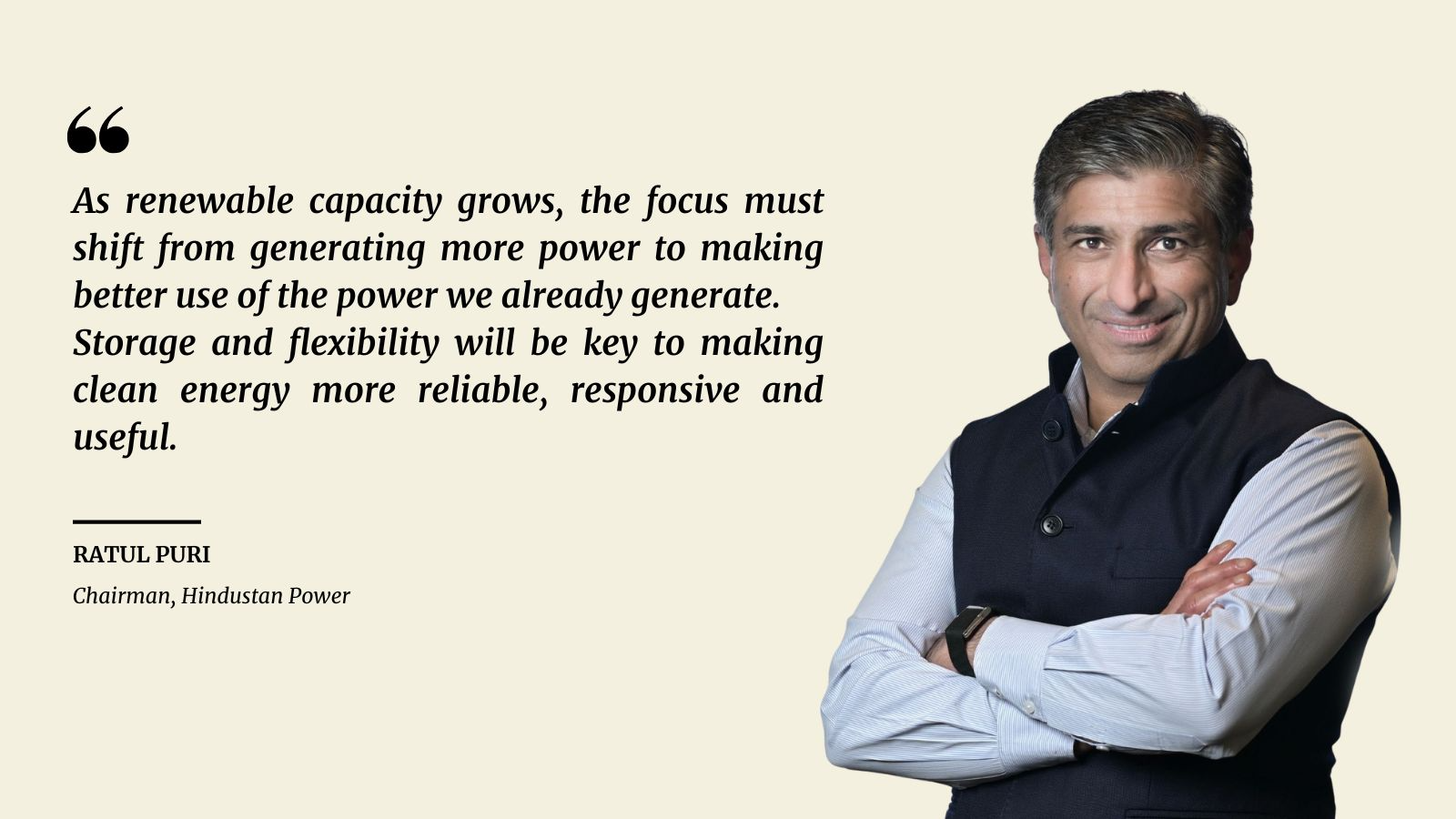
Ratul Puri Chairman points out that storage-backed renewable and hybrid projects can involve higher upfront costs, but they can also ease pressure on the wider power system. They can improve the use of renewable generation and make electricity more available when demand is high or when it is needed most.
As a result, procurement approaches are increasingly considering capacity, operational flexibility and reliable power delivery along with competitive pricing. Hybrid projects that bring together solar, wind and battery storage have an important role to play here. By combining different sources of generation with storage, these projects can help meet peak demand and provide cleaner, more dependable and dispatchable power.
Flexibility services also deserve greater attention. Traditionally, services such as ramping reserves, frequency response and fast balancing were largely handled through conventional generation and system operations, without being separately valued. With renewable energy making up a growing share of the power mix, these services are becoming increasingly important for managing variability and keeping the grid stable.
Energy storage will be a key part of this transition. Battery Energy Storage Systems (BESS) and pumped hydro storage can provide the flexibility required to integrate larger amounts of renewable power. They can help manage variability, reduce curtailment and make better use of clean energy.
At the same time, expanding energy storage will require the right policy and regulatory support. Faster approvals, smoother regulatory processes, timely land and water clearances and continued development of renewable projects linked with storage will all be important for scaling up storage deployment.
Strengthening India’s Power Grid
Grid readiness is another major area that needs attention. Several Indian states have strong solar and wind potential, but gaps in transmission infrastructure can slow down project connectivity and power evacuation. States will therefore need to take a more active role in planning and commissioning intrastate transmission networks that match renewable project timelines and broader national transmission plans.
Upgrading transmission infrastructure alone, however, will not solve the challenge. Distribution networks will also need to be strengthened through modern transmission lines, substations and transformers. Better infrastructure can improve renewable power evacuation, reduce congestion and transmission losses and make it easier to integrate distributed solar generation.
Ratul Puri has also highlighted the importance of developing stronger ancillary service markets. Better mechanisms for ramping reserves, frequency response and fast-response balancing can help the power system manage renewable variability and support higher levels of renewable energy integration.
India’s Renewable Energy Transition in a Global Context
India’s experience reflects a wider change taking place across global energy markets. Countries are increasingly recognising that adding renewable generation capacity needs to be supported by investments in energy storage, balancing markets and demand-side flexibility.
The experience of regions such as the European Union also shows that higher renewable energy penetration requires investment in these supporting systems to maintain a dependable electricity supply.
For India, the long-term challenge is to find the right balance between expanding renewable energy, improving system flexibility and ensuring reliable power delivery. The next stage of the country’s energy transition will depend on how effectively clean electricity can be stored and delivered to the right place at the right time.
A combination of renewable generation, energy storage, modern grid infrastructure and efficient power market mechanisms will therefore play an important role in shaping India’s next phase of energy development.
About Ratul Puri
Ratul Puri is the Chairman of Hindustan Power, an integrated power generation company with a strong presence in renewable and transitional energy generation. Over the years, Ratul Puri has been involved in the development of large-scale energy infrastructure projects that support India’s growing power requirements and its transition toward cleaner energy sources.
About Hindustan Power
Hindustan Power is an integrated power generation company with a presence across renewable and transitional energy assets. The company continues to invest in energy infrastructure that supports reliability, sustainability and long-term value creation within India's evolving power sector.
Similar news is covered by:
The Tribune: https://www.tribuneindia.com/news/business/ratul-puri-beyond-low-cost-power-to-clean-energy-reliability
The Wire: https://thewire.in/ptiprnews/ratul-puri-beyond-low-cost-power-to-clean-energy-reliability