
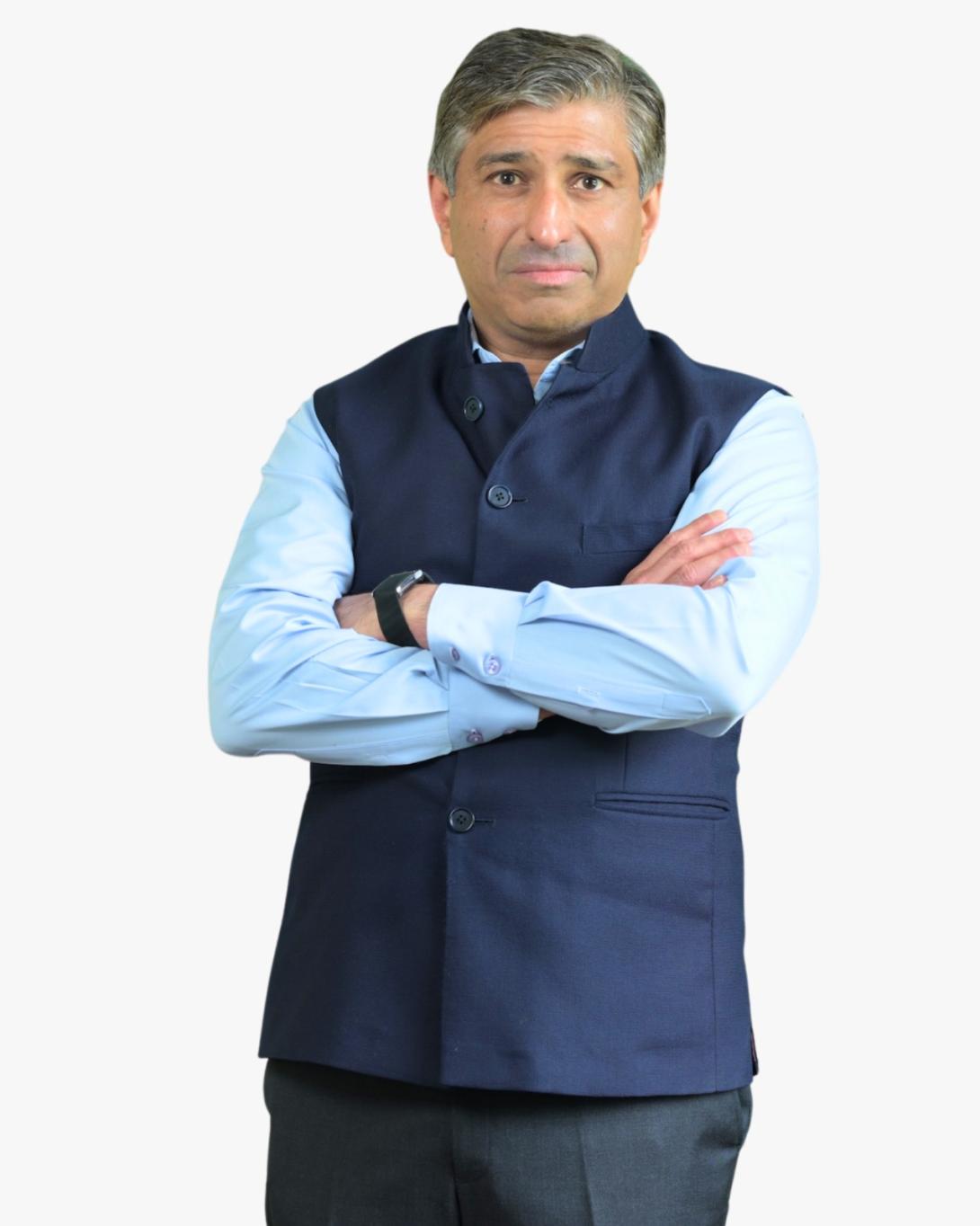
India's clean energy transition is entering a new phase where expanding renewable capacity alone will no longer be enough. According to Ratul Puri, Chairman of Hindustan Power, the country's long-term energy ambitions now depend on developing the supporting infrastructure that enables renewable electricity to be delivered reliably and efficiently.
Speaking in an interview with Business World, Ratul Puri said India's electricity demand is steadily rising across residential, commercial, industrial, transportation, and digital infrastructure. Meeting this growing demand will require battery storage, stronger transmission networks and distributed renewable generation to evolve alongside renewable capacity, creating a more resilient and reliable power ecosystem.
Battery Storage Will Unlock India's Renewable Energy Potential
For Chairman Ratul Puri, battery storage is the missing link in India's renewable energy transition. While the country has made significant progress in expanding solar and wind capacity, renewable energy alone cannot provide uninterrupted electricity throughout the day. Batteries are an important part of the global energy system today and are here to play a critical role in securing clean energy transitions, the IEA states in one of its reports.
He directed the need for battery storage towards fluctuations in solar generation and wind speed falls. During this scenario, thermal power plants are brought back online to maintain electricity supply. These plants are backed down during periods of high renewable generation and restarted during evening demand peaks, increasing the overall cost of operating the power system.
Instead of investing in additional coal-fired power plants that remain underutilised for several hours every day, Ratul Puri believes India should accelerate investments in battery energy storage. Although storage technologies still require substantial investment, battery prices have fallen significantly over recent years, making them increasingly viable. According to Ratul Puri, storage will be one of the most important investments India can make over the next decade to support its clean energy transition and reduce dependence on conventional power sources.
Rising Electricity Demand Is Making Storage More Critical
India's growing electricity demand is no longer being driven by a single sector. Consumption is increasing simultaneously across households, industries, commercial establishments, transportation and data centres, which is placing greater pressure on the country's power infrastructure.
According to Ratul Puri, battery energy storage systems will play a central role in balancing renewable generation with this growing demand. With the vision of a round-the-clock energy demand, battery storage systems will play a significant role. By storing surplus electricity generated during the day and supplying it during periods of peak demand, storage can help deliver reliable, on-demand power while improving overall grid efficiency.
As renewable energy becomes a larger share of India's electricity mix, Chairman Ratul Puri believes storage will become essential for ensuring energy security and supporting the country's long-term development goals.
Distributed Renewable Generation Can Reduce Transmission Bottlenecks
Alongside battery storage, Ratul Puri believes India should increasingly adopt distributed renewable generation instead of concentrating large renewable projects in only a few locations.
He explained that transmitting renewable electricity across long distances adds high costs and places additional pressure on transmission infrastructure. Developing renewable energy closer to where electricity is consumed can improve delivery efficiency, reduce transmission losses, and create a more balanced power system.
According to Chairman Ratul Puri, India has sufficient renewable potential across multiple states to support localised power generation. As transmission infrastructure continues to expand, distributed renewable generation will become increasingly important in delivering affordable and reliable electricity to consumers.
AI and Data Centres Are Creating a New Opportunity for India's Power Sector
Artificial Intelligence is emerging as one of the biggest drivers of future electricity demand, and Ratul Puri believes this presents a significant opportunity for India.
He explained that AI ultimately depends on three key elements such as processing power, advanced computing infrastructure, and reliable energy. While access to advanced GPU capacity remains a global challenge, electricity availability has become one of the biggest constraints in building new data centres worldwide.
As countries such as the United States, Europe and Japan face increasing challenges in expanding data centre capacity, Ratul Puri believes India can emerge as an attractive destination for AI and digital infrastructure by ensuring reliable, affordable and locally available electricity.
Building Renewable Energy Closer to Data Centres Will Improve Power Delivery
While acknowledging that India's transmission grid continues to face bottlenecks, Ratul Puri believes these challenges will encourage a more distributed approach to renewable energy development.
Rather than depending on electricity transmitted over long distances, future data centres and industrial hubs will benefit from renewable generation located nearby. Developing local renewable supply chains around major demand centres can improve reliability, reduce pressure on transmission networks and strengthen regional power infrastructure.
According to Ratul Puri, the rapid expansion of AI, data centres and digital infrastructure will itself encourage greater investment in renewable generation, transmission and supporting electricity infrastructure across the country.
An Integrated Energy Ecosystem Will Power India's Next Phase of Growth
For Ratul Puri, India's next phase of energy transition is not simply about installing more renewable capacity. It is about building an integrated energy ecosystem where renewable generation, battery storage, transmission infrastructure and distributed power systems work together to deliver reliable electricity.
As electricity demand continues to rise across industries, transportation, households and AI-driven digital infrastructure, Ratul Puri believes India's ability to strengthen every part of the power value chain will determine the success of its clean energy transition. Building this integrated ecosystem, he says, will not only improve energy security but also position India as a competitive destination for future investment and economic growth.
About Ratul Puri
Ratul Puri is the Chairman of Hindustan Power, an integrated power generation company with a strong presence in renewable and transitional energy generation. Over the years, Chairman Ratul Puri has been involved in the development of large-scale energy infrastructure projects that support India’s growing power requirements and its transition toward cleaner energy sources.
About Hindustan Power
Hindustan Power is an integrated power generation company with a presence across renewable and transitional energy assets. The company continues to invest in energy infrastructure that supports reliability, sustainability and long-term value creation within India’s evolving power sector.