

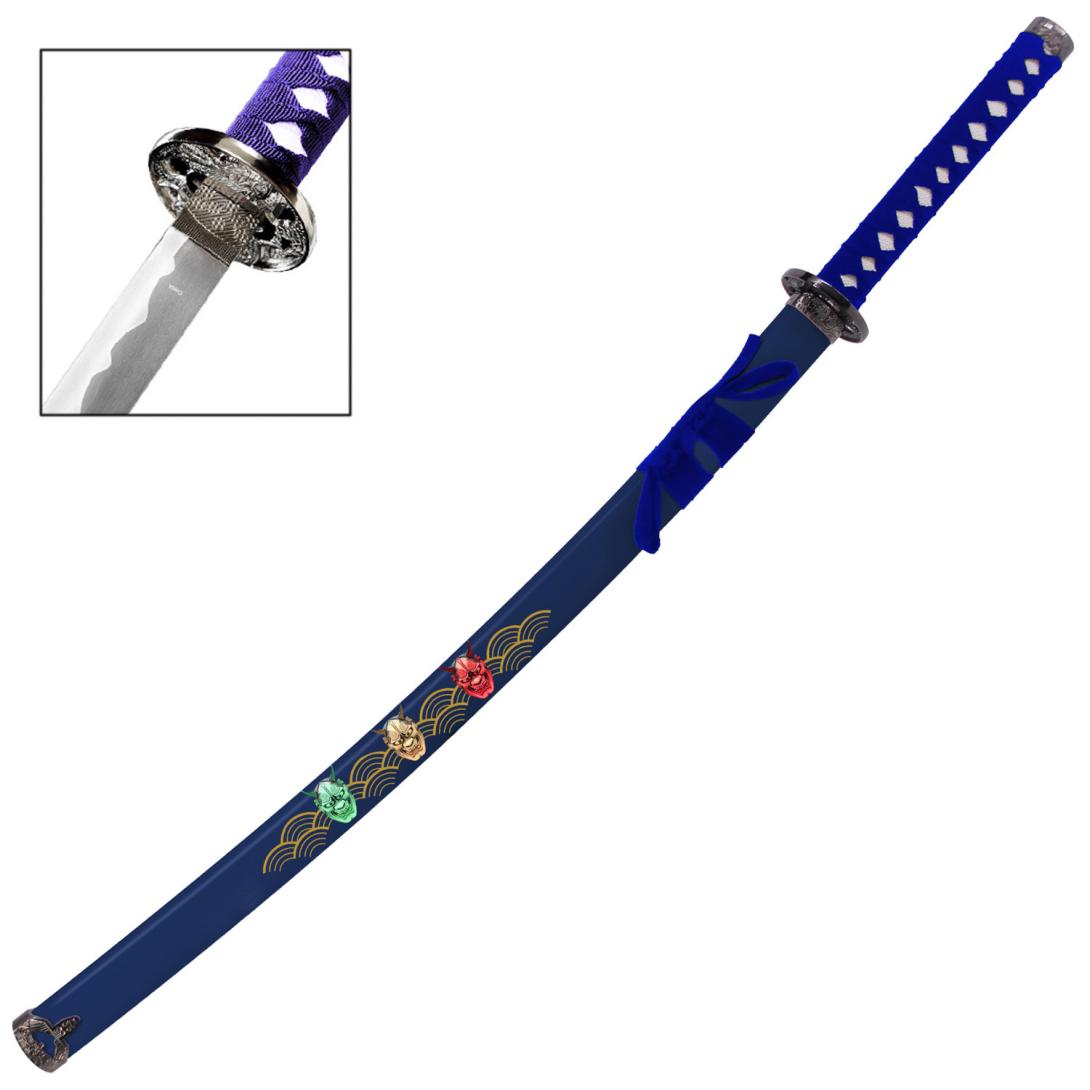
The samurai sword has been regarded as one of the best examples of traditional metalworking and artistic brilliance for generations. It is more than just a historical relic it is a symbol of the skill, perseverance, and technical creativity passed down from master swordsmiths to their apprentices over many centuries. Numerous hours of forging, shaping, polishing, and finishing are reflected in every blade, producing an amazing harmony of accuracy and beauty.
These famous swords are still studied by historians, collectors, museum curators, and cultural enthusiasts to learn more about Japan's rich history and the extraordinary craftsmanship that went into their making. Every step of the manufacturing process, from the meticulous selection of raw materials to the elaborate decorative features of the final product, demonstrates a commitment to excellence that has enabled these remarkable blades to continue to be appreciated worldwide.
The Origins of an Iconic Japanese Blade
The samurai sword history spans several centuries, developing in tandem with Japan's creative customs and advancements in metalworking. Although early blades were far different from the sophisticated versions seen today, generations of talented artisans have perfected their methods to produce ever-more complex designs. Through meticulous experimentation and expertise, swordsmiths improved blade geometry, balance, and structural integrity as their understanding of forging grew.
Through apprenticeship, workshops developed into hubs of craftsmanship where important knowledge could be passed down from one generation to the next. This commitment promoted progressive innovation while guaranteeing exceptional consistency. Historical examples show how shape, curvature, and proportions have changed subtly over time. These improvements demonstrated the Japanese craftsmen's unwavering pursuit of excellence by reflecting both artistic choices and technological advancements.
The Art of Traditional Forging
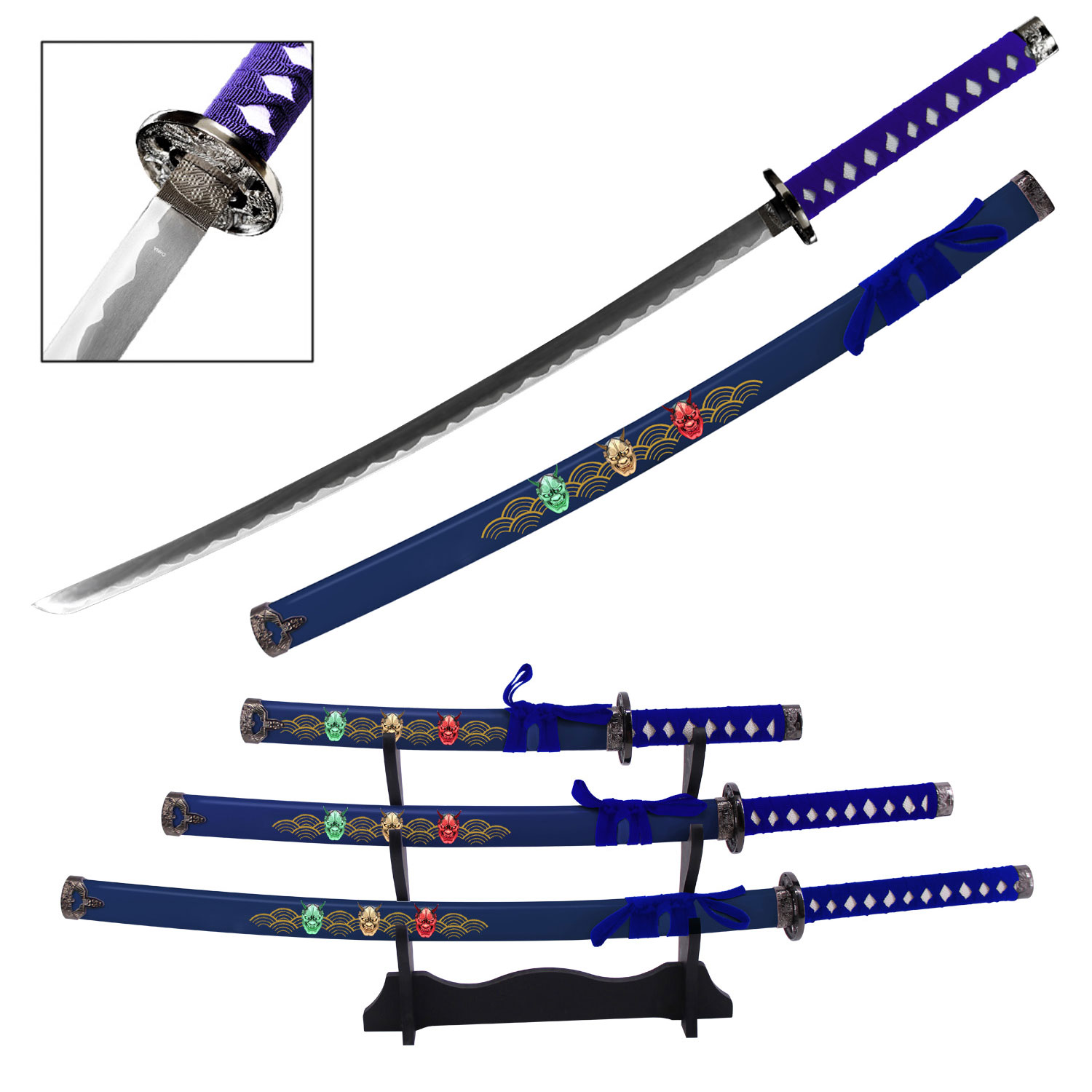
It took incredible patience, self-control, and technical know-how to make a samurai sword. In order to reach extraordinary quality, traditional swordsmiths spent years perfecting every step of the production process. The forging method itself produced blades that are admired globally by fusing artistic expression with useful functionality.
The procedure started with carefully chosen steel that was repeatedly heated, folded, and hammered. By folding the metal, impurities were reduced and carbon was distributed more uniformly, resulting in a stronger and more uniform composition. Because each step affected the final blade's performance and look, this difficult process required exceptional precision.
Differential hardening was one of the key features of traditional Japanese forging. Prior to heat treatment, craftsmen applied specific clay mixtures, which allowed the blade's various sections to cool at varied rates. This maintained flexibility along the spine while producing a stronger cutting edge. One of the most well-known visual characteristics of these blades is the hamon, a characteristic temper line that was created during this procedure.
Expert polishers spent countless hours honing the blade with ever finer stones after forging. Their meticulous labor boosted the overall elegance and revealed subtle surface patterns, turning each completed blade into a wonderful artistic achievement as well as a useful tool.
Distinctive Design Elements and Craftsmanship
Differential hardening was one of the key features of traditional Japanese forging. Each part exhibits meticulous attention to detail, expert craftsmanship, and deliberate design. Historians, collectors, and craftspeople all appreciate the harmonious symphony that these components provide when combined.
One of its most identifiable features is still the curvature of the blade. This sophisticated profile, which has been refined over generations, greatly enhances the sword's visual character. While upholding fundamental design principles, variations in blade length, width, and tip shape show the diversity of traditional Japanese sword-making.
Additionally, the handle exhibits exceptional craftsmanship. It offers outstanding finishing quality and esthetic appeal when wrapped in intricately woven cord over textured ray skin. The sword's artistic essence is further enhanced with decorative embellishments and carefully fitted metal components without overpowering its harmonious appearance.
Preserving an Enduring Cultural Treasure
Every samurai sword must be preserved in order for future generations to be able to study and enjoy it. Together, museums, collectors, conservators, and historians preserve the artistic worth and historical authenticity of these amazing relics.
By reducing exposure to excessive moisture, dust, and climatic changes, proper storage helps protect fragile surfaces. While lowering the possibility of corrosion or damage to ornamental elements, controlled conditions promote long-term conservation. The integrity of skillfully carved fittings and lacquered scabbards is also preserved by specialized storing techniques.
Conservators can spot minor condition changes before they become more serious issues by conducting routine inspections. In order to ensure that original craftsmanship is visible whenever possible, preservation efforts prioritize careful upkeep above needless restoration.