

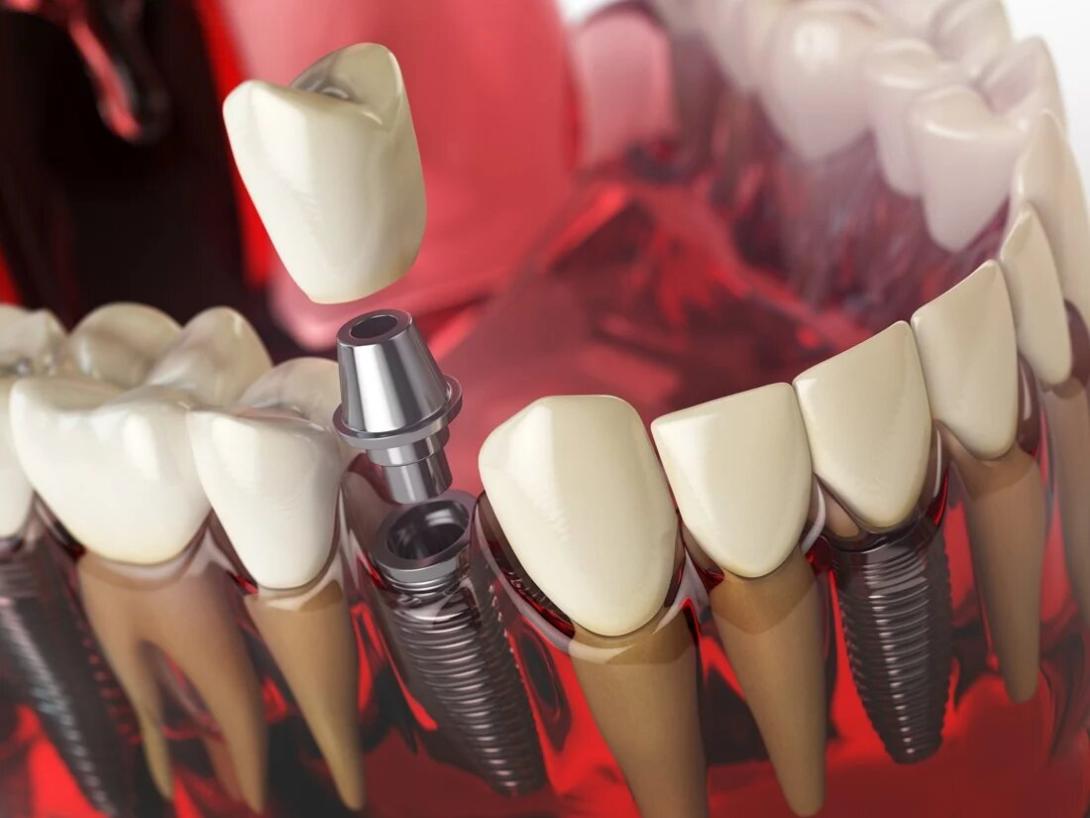
Losing a tooth can affect much more than the way your teeth look. It can make chewing uncomfortable, change how nearby teeth fit together, and gradually affect the jawbone. Dental implants have become one of the most dependable options for replacing missing teeth because they are designed to do more than simply fill a gap.
A dental implant restoration combines a small implant post placed in the jaw with a custom-made restoration, such as a crown, bridge, or denture. When the implant and restoration are properly planned and cared for, they can provide a stable, natural-looking replacement that feels remarkably similar to a natural tooth.
So, what makes dental implant restorations so successful? The answer involves several factors, from the way implants bond with the jawbone to advances in dental technology and the habits patients follow after treatment.
What Is a Dental Implant Restoration?
A dental implant restoration is the visible part of an implant treatment that replaces the missing tooth or teeth. While the implant itself sits beneath the gum and functions as an artificial tooth root, the restoration is attached to it to recreate the portion of the tooth that you can see and use.
For a single missing tooth, a dentist may place a dental crown on top of the implant. If several teeth are missing, implants can support a bridge or implant-supported denture. This approach gives the replacement tooth a secure foundation instead of relying entirely on neighboring teeth or removable adhesives.
The result is a tooth replacement designed around your bite, oral anatomy, and appearance. At North Scottsdale Dentistry, a licensed dental office at 21809 N Scottsdale Rd Ste C105, Scottsdale, AZ 85255, an experienced Scottsdale dentist and caring dental team can evaluate your oral health, discuss your concerns, and help you understand the available options for replacing missing teeth.
Dental Implants Work With the Jawbone
One of the biggest reasons implants have a strong track record is a process called osseointegration. This is the natural process in which the jawbone gradually bonds with the implant surface.
Think of the implant as an artificial tooth root. After it is placed, the surrounding bone begins to heal around it. Over time, the implant becomes firmly anchored in the jaw, creating a stable foundation for the restoration.
This is quite different from a traditional removable appliance, which rests on the gums. Because the implant is supported within the bone, it can withstand normal chewing forces and help provide stability during everyday activities.
Implant Materials Are Designed for Biocompatibility
The material used for an implant also plays an important role in its long-term performance. Most modern dental implants are made from titanium or, in selected cases, ceramic materials such as zirconia.
Titanium has been used extensively in implant dentistry because it is strong, lightweight, and generally well tolerated by the body. Its surface is also designed to encourage the bone-to-implant connection needed for stability.
That combination of strength and biocompatibility gives the implant a reliable foundation. Of course, the material is only part of the equation. Proper placement, healthy bone, good oral hygiene, and appropriate follow-up care are equally important.
Modern Technology Makes Treatment More Predictable
Dental implant treatment today is very different from the procedure performed decades ago. Dentists now have access to digital imaging and planning tools that can provide a much clearer understanding of a patient's oral anatomy before treatment begins.
Three-dimensional imaging, for example, can help the dental team evaluate bone volume, the location of important anatomical structures, and the ideal position for an implant.
Digital impressions and computer-assisted planning can also help with the design of the final restoration. Rather than simply placing an implant where a tooth used to be, the dentist can plan the implant and restoration together.
This attention to detail can improve the relationship between the implant, crown, surrounding teeth, and bite.
A Properly Planned Restoration Supports Your Bite
A dental implant does not work in isolation. It becomes part of your overall bite, which means the restoration needs to be carefully designed.
Imagine placing a new tile into a floor without checking the surrounding tiles. Even if the tile itself is strong, an uneven fit could create problems. Your teeth work in much the same way.
A properly designed implant restoration should fit comfortably with the surrounding teeth and distribute chewing forces appropriately. Your dentist considers factors such as the position of the missing tooth, bite pattern, available space, and the appearance of neighboring teeth.
When these details are addressed before the final restoration is placed, the finished result can be both functional and comfortable.
Healthy Gums and Bone Improve the Outlook
The condition of your mouth before implant treatment matters. Healthy gum tissue and adequate bone support create a better environment for healing and long-term implant function.
When a tooth has been missing for some time, the jawbone in that area can gradually shrink because it no longer receives the stimulation associated with a natural tooth root. In some cases, a patient may need bone grafting before an implant can be placed.
Likewise, active gum disease should be addressed before or during implant treatment. This is because the tissues surrounding an implant need to remain healthy after placement.
Your dentist will evaluate your gums, bone, bite, and overall oral health to determine whether you are ready for an implant restoration or whether preliminary treatment is needed.
Good Oral Hygiene Protects the Implant Restoration
An implant cannot develop a cavity in the same way a natural tooth can, but that does not mean it can be ignored.
The gums and bone surrounding an implant still need daily care. Plaque and bacteria can accumulate around the restoration and irritate the surrounding tissues. Persistent inflammation can eventually compromise the support around the implant.
Brushing twice a day, cleaning between the teeth, and attending regular dental appointments are therefore important parts of implant maintenance.
Your dentist or dental hygienist may also recommend specific flossing techniques, interdental brushes, or other cleaning tools depending on your restoration.
The simple takeaway? An implant may replace a missing tooth, but it does not replace your need for good oral hygiene.
Patients Play a Major Role in Long-Term Success
Even an expertly placed implant requires cooperation from the patient. Healing takes time, and following your dentist's instructions during recovery can make a meaningful difference.
Depending on your treatment, you may be advised to avoid certain foods temporarily, keep the surgical area clean, and attend follow-up appointments. Smoking or tobacco use can also interfere with healing and increase the risk of complications.
Once your restoration is fully functional, protecting it becomes part of your normal dental routine. Avoiding habits such as chewing ice or using your teeth to open packages can help prevent unnecessary damage to the crown or other restoration.
In other words, the dentist creates the foundation, but your everyday habits help preserve it.
Dental Implant Restorations Are Built for Everyday Function
One of the appealing features of an implant restoration is that it is designed to function as part of your natural bite rather than simply sitting over the gums.
Once healing is complete and the final restoration is in place, many patients can eat a wide variety of foods comfortably. The restoration is also custom-made to fit the space created by the missing tooth.
With proper planning, the crown can be shaped and shaded to blend naturally with the surrounding teeth. This means the goal is not simply to replace what is missing, but to create a restoration that fits into your mouth both functionally and aesthetically.
What Can Cause an Implant Restoration to Fail?
Although dental implants have a high success rate, no medical or dental treatment is guaranteed to work in every situation. Understanding potential risks is just as important as understanding the benefits.
Problems can occur when an implant does not properly integrate with the bone, when infection develops around the implant, when there is insufficient bone support, or when excessive forces are placed on the restoration.
Poor oral hygiene and tobacco use may also increase the risk of complications.
The good news is that many risk factors can be identified before treatment. A thorough examination, appropriate imaging, careful treatment planning, and regular maintenance can all help reduce avoidable problems.
How Long Can a Dental Implant Restoration Last?
A dental implant restoration can provide long-term tooth replacement, but its lifespan depends on several factors. The implant itself may remain functional for many years, while the visible crown, bridge, or denture may eventually need repair or replacement due to normal wear.
Your oral hygiene, bite forces, lifestyle habits, general health, and regular dental care all influence how long the restoration lasts.
This is why implant treatment should not be viewed as a one-time procedure with no maintenance afterward. Regular dental examinations allow your dentist to check the restoration, surrounding gums, and implant stability.
Think of it like maintaining a car: routine care does not guarantee that nothing will ever go wrong, but it can help identify small issues before they become bigger ones.
Are Dental Implant Restorations Right for Everyone?
Dental implants can be an excellent option for many adults with missing teeth, but candidacy is individual. Your dentist needs to consider your bone structure, gum health, oral hygiene, medical history, bite, and treatment goals.
Some patients may need preliminary procedures, such as periodontal treatment or bone grafting, before an implant can be placed. Others may have different tooth-replacement options that better suit their needs or circumstances.
A consultation is the best way to understand what is realistic for your particular situation. Your dentist can explain the expected process, benefits, limitations, healing timeline, and alternatives before you make a decision.
The Bottom Line: Why Are Implant Restorations So Successful?
The high success rate of dental implant restorations comes from several factors working together. Implants can integrate with the jawbone, modern materials are designed for biocompatibility, digital technology allows for detailed treatment planning, and restorations can be customized to fit the patient's bite and appearance.
Just as importantly, long-term success depends on what happens after treatment. Good oral hygiene, regular dental visits, a healthy mouth, and following your dentist's recommendations all help protect the implant and surrounding tissues.
If you are considering replacing a missing tooth, dental implants may offer a stable, natural-looking solution. The best place to start is a consultation with a qualified dentist who can evaluate your oral health and explain which treatment options make sense for you.
Frequently Asked Questions
Q 1. What is the success rate of dental implants?
Ans: Dental implants generally have very high success rates, often reported around 90–95% or higher depending on the location of the implant, patient factors, and length of follow-up. Individual outcomes can vary, so your dentist should assess your specific situation.
Q 2. Do dental implants feel like natural teeth?
Ans: Once healing is complete and the restoration is properly fitted, many patients find that implant-supported teeth feel stable and comfortable. Because the implant is anchored in the jaw, it does not move around like some removable tooth replacements can.
Q 3. Can a dental implant get a cavity?
Ans: The implant itself cannot develop tooth decay because it is not natural tooth structure. However, the crown attached to the implant can become damaged, and the gums and bone around the implant can develop inflammatory problems. Regular cleaning and dental checkups remain important.
Q 4. How do I care for an implant restoration?
Ans: Care for an implant restoration is similar in many ways to caring for natural teeth. Brush regularly, clean between your teeth, follow your dentist's recommendations, and attend routine examinations and professional cleanings.
Q 5. What happens if I have not enough bone for an implant?
Ans: If there is not enough bone to support an implant, your dentist may discuss bone grafting or another procedure to improve the available support. Whether this is necessary depends on your individual anatomy and treatment plan.