
Have you ever jumped into a freezing shower on a winter morning? Or waited endlessly for hot water while your energy bills keep climbing? The truth is, your hot water system plays a massive role in both comfort and household costs.
In 2025, with energy prices rising and sustainability in focus, choosing the right system has never been more important. Whether you’re replacing an old unit, building a new home, or simply looking for more efficiency, this guide helps you navigate the world of Hot Water Sunshine solutions for Australian households.
Understanding Hot Water System Options in Australia
Australian homes can choose from several hot water technologies, each with its own advantages.
Electric storage systems remain common because of their lower upfront price and straightforward installation. Gas storage and instantaneous units also offer dependable performance, particularly where natural gas connections exist.
Solar hot water systems capture Australia’s abundant sunshine, often supported by an electric or gas booster for cloudy days. Then there are heat pump hot water systems – the rising stars – which extract warmth from the surrounding air to heat your water.
Key Factors to Consider
- Upfront purchase and installation costs
- Long-term running expenses
- Household water demand and usage patterns
- Available space and local climate conditions
- Environmental sustainability
Instantaneous systems deserve a mention too. These compact units heat water on demand, saving space and ensuring you never run out.
Why Heat Pumps Shine in Australian Conditions?
Heat pump hot water systems suit our climate perfectly. They multiply each unit of electricity into three to four units of heating energy, delivering efficiency even in cooler regions like Tasmania.
Brands such as Sanden, iStore, and Reclaim Energy are leaders in Australia, designing units built for local conditions. Many feature corrosion resistance for coastal areas, advanced defrost cycles, and quiet operation for suburban living.
When installing, north-facing positions with good airflow are ideal. Councils often offer rebates for efficient systems, and quiet-running models keep the neighbours happy.
Hot Water Sunshine Reviews: Top Heat Pump Models for 2025
Sanden Eco Plus
- Whisper-quiet operation
- CO2 refrigerant, environmentally friendly
- COP above 5 for outstanding efficiency
- Flexible split system design
iStore 270L
- Perfect for families
- Smart app integration and scheduling
- Proven 70% savings compared to electric storage
Reclaim Energy CO2 Heat Pump
- Compact size for smaller households
- Reliable efficiency across varied conditions
Chromagen Midea
- Budget-friendly without compromising durability
- Slightly lower efficiency than premium options
Customer feedback consistently highlights: lower energy bills, quiet operation, strong after-sales support, and smart controls that optimise performance.
Cost Analysis: Upfront vs Long-Term Savings
Yes, heat pumps cost more initially ($3,000–$5,000 installed) compared to basic electric storage systems ($1,000–$2,000). But the long-term savings are undeniable.
A family of four might spend $800–$1,200 annually with an electric storage system. Switching to a heat pump can drop that to $200–$400. Over a decade, that’s $6,000–$8,000 in savings, easily offsetting the initial cost.
Solar hot water systems cost $3,000–$7,000 upfront but deliver near-zero running costs in sunny regions. Pairing solar panels with a heat pump creates an ultra-efficient Hot Water Sunshine solution, though costs rise to $8,000–$12,000.
Gas systems sit in the middle but face uncertainty due to rising prices and possible phase-outs. Always calculate lifetime costs, not just purchase price.
Sizing Your Hot Water System Correctly
Sizing matters. Too small and you’ll face cold showers; too large and you waste energy.
As a general rule, allow 50L per person daily. A four-person household usually needs 250–315L storage. Heat pumps recover more slowly than electric systems, so slightly upsizing ensures reliability.
Typical Usage Guide
- Shower: 25–50L
- Bath: 80–150L
- Dishwasher: 20–30L per load
- Washing machine: 50–120L per load
For instantaneous systems, focus on flow rate rather than storage. Most households need 20–26L/minute to comfortably run multiple outlets at once.
Installation Considerations for Australian Homes
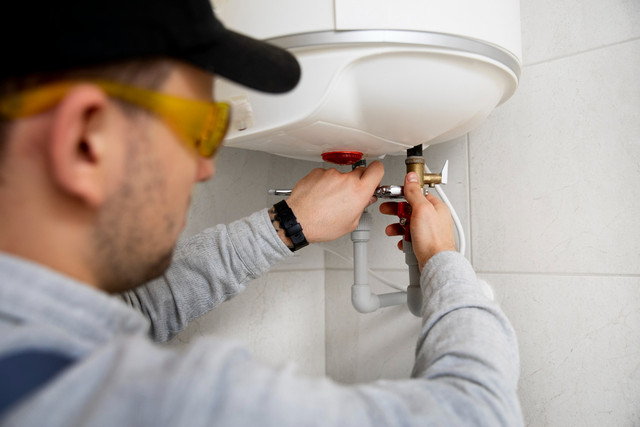
Professional installation ensures safety and efficiency. Heat pumps need about 1m clearance for airflow and perform best in sunlit, ventilated areas.
Factors to Keep in Mind
- Noise restrictions in your council area
- Distance from bedrooms and living spaces
- Easy maintenance access
- Protection from coastal salt spray
- Proper drainage for condensation
Accredited installers also help you claim rebates through Small-Scale Technology Certificates (STCs), reducing your overall costs.
Sustainability and Environmental Impact
Australians increasingly want hot water systems that support a greener future. Heat pumps reduce emissions by up to 70% compared to traditional electric systems. Solar hot water provides near-zero emissions during operation, especially when paired with renewable electricity.
Gas systems emit less than electric storage but still rely on fossil fuels. As our grid transitions to renewable energy, Hot Water Sunshine solutions like heat pumps and solar become even cleaner.
Longevity is another sustainability factor. Quality heat pumps last 15–20 years, spreading their manufacturing impact over decades.
Maintenance and Longevity
Heat pumps require annual maintenance, including cleaning filters, checking refrigerant, and inspecting tanks. Manufacturers usually recommend professional servicing every 12–24 months.
Storage systems need anode replacements every 3–5 years. Solar panels require occasional cleaning, while instantaneous systems benefit from flushing to remove mineral build-up.
Lifespan comparison:
- Heat pumps: 15–20 years
- Electric storage: 10–12 years
- Gas instantaneous: 8–10 years
Investing in quality extends system life and maximises savings.
Beyond the Household: Special Applications
Hot water systems aren’t limited to daily showers.
- Swimming pools: Heat pumps maintain water temperature efficiently, extending swim seasons.
- Hydronic heating: Some systems provide both hot water and underfloor heating.
- Commercial setups: Multiple smaller units often outperform one large system, providing redundancy and flexibility.
- Off-grid properties: Heat pumps combined with solar and batteries create complete independence.
Making the Right Decision for Your Home
For most Australian households, heat pump hot water systems deliver the best balance of efficiency, cost savings, and sustainability.
Consider Heat Pumps If You:
- Want to cut energy bills by up to 70%
- Have a suitable outdoor space for installation
- Care about environmental impact
- Plan to stay in your home long-term
Solar systems are perfect for sunny regions with ample roof space. Instantaneous gas systems suit small properties with existing gas. Electric storage is best only when the budget is the top priority.
Conclusion: Step Into the Future of Hot Water Sunshine
We’ve explored the full landscape of Australian hot water systems in 2025. From advanced heat pumps to solar and gas, each option has its place depending on household needs, budget, and location. Discover everything you need to know about choosing the right Hot Water Sunshine system for your home here.
Now it’s time to take the next step. Start by assessing your current system, calculating potential savings, and requesting quotes from accredited installers. Explore government rebates, ask about warranties, and compare brands.
By investing wisely today, you’ll enjoy reliable hot showers, lower energy bills, and a cleaner future. Make 2025 the year you upgrade to a smarter, more sustainable Hot Water Sunshine solution for your home.