

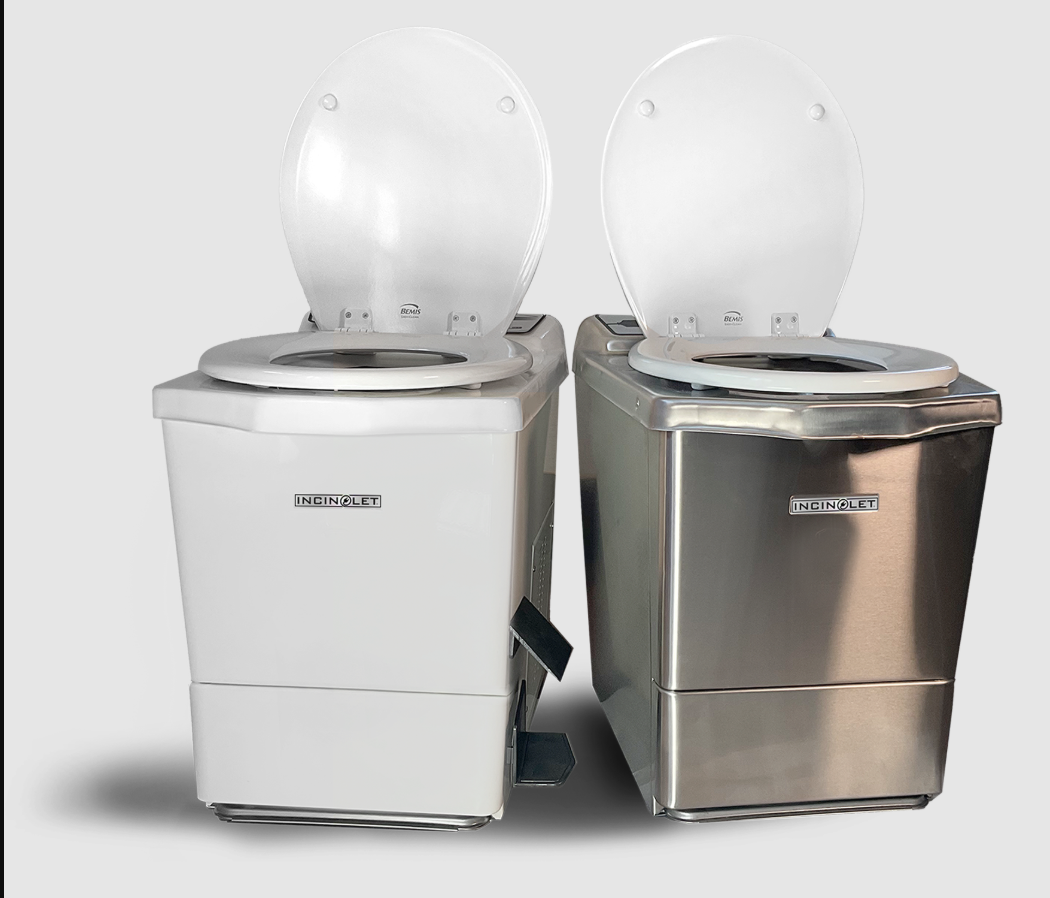
Adding a bathroom to a basement can be a practical way to improve the usefulness of a home. However, basement bathrooms can present challenges because the floor may sit below the main sewer line, making conventional drainage more complicated. Homeowners may need to consider plumbing access, available space, ventilation, electrical service, and local building requirements before selecting a toilet.
So, what type of toilet is best for a basement bathroom? The answer depends on the property's existing plumbing and the type of installation planned. For some basement spaces, an electric incinerating toilet can be a useful alternative because it processes toilet waste without water-based flushing.
Why Consider an Incinerating Toilet?
An electric incinerating toilet uses controlled heat to process waste inside the unit. Instead of relying on water to move waste through a conventional drainpipe, the waste is treated within the toilet and reduced to a small amount of dry ash.
Incinolet is an example of an electric incinerating toilet that may be considered for basement applications where suitable electricity and ventilation can be provided. Its water-free operation can help reduce dependence on conventional toilet drainage.
What Should Homeowners Consider?
Before choosing an incinerating toilet for a basement, homeowners should evaluate several factors.
Electrical requirements are important because the heating system needs a suitable power supply. The electrical installation should meet the manufacturer's specifications and applicable local codes.
Ventilation is another key consideration. The system needs an appropriate venting arrangement, which should be installed according to manufacturer instructions.
Available space should also be measured carefully. A basement bathroom may have limited floor area, so the toilet's dimensions and surrounding clearance should be considered during planning.
Is It Environmentally Responsible?
Water conservation can be one advantage of Incinolet. Because it does not use water for flushing, it can help reduce freshwater consumption compared with conventional toilets.
The system does consume electricity, so homeowners should consider the source of that electricity. Using renewable energy where practical may complement a resource-conscious home design.
Regular maintenance and proper ash disposal are also important for responsible operation.
Future Possibilities
As homeowners continue to convert basements into useful living spaces, alternative sanitation systems may become more attractive. Improvements in energy storage, renewable power, and compact home technology could expand the applications of electric sanitation systems.
Final Thoughts
The best toilet for a basement bathroom depends on the home's plumbing, layout, electrical capacity, and local requirements. Incinolet can be a practical water-free option for suitable installations, particularly where conventional toilet drainage presents challenges. Always evaluate the complete installation before making a final decision.