

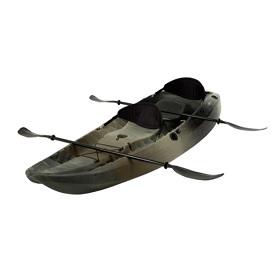
Kayaking has grown faster than almost any other water sport over the past several years. That growth brings more first-time buyers into stores without a clear sense of what to check before purchasing.
A Lifetime kayak comes in several hull designs and weight capacities, and matching the right model to actual intended use matters more than most first-time buyers initially realize.
1. Hull Design and Water Type
Sit-on-top designs suit calm lakes and casual paddling well. A different hull shape suits moving water or longer distance paddling better.
Tracking and speed characteristics vary considerably by design. A wide, stable hull forgives beginner mistakes, while a narrower hull moves faster but demands more balance from the paddler.
Interest in this sport keeps climbing. Kayaking was found to be the fastest-growing water sport, with a 32 percent increase in participation over five years, according to the Outdoor Foundation's paddlesports research.
2. Weight Capacity
Confirm the kayak's rated weight capacity includes the paddler plus any gear planned for a typical outing, not just the paddler's weight alone.
A kayak loaded near its maximum rating sits lower in the water and handles noticeably differently than the same kayak paddled with minimal gear on board.
- Check capacity against your heaviest realistic loadout, including a cooler or fishing gear if relevant.
- Leave a safety margin below the maximum rating rather than paddling right at the stated limit.
3. Storage and Transport
Confirm how the kayak will actually get transported and stored between outings. Size and weight affect both roof rack compatibility and how easily one person can carry it alone.
A kayak that requires two people to lift onto a roof rack becomes far less convenient for a solo paddler heading out on a weekday evening after work.
Where to Go From Here
A Lifetime kayak chosen with hull design, weight capacity, and storage realistically considered serves a paddler well across many seasons of regular use on the water.
The buyers who skip these checks in favor of the first attractive color or price they see are the ones most likely to end up with a kayak that does not fit their actual paddling needs.