
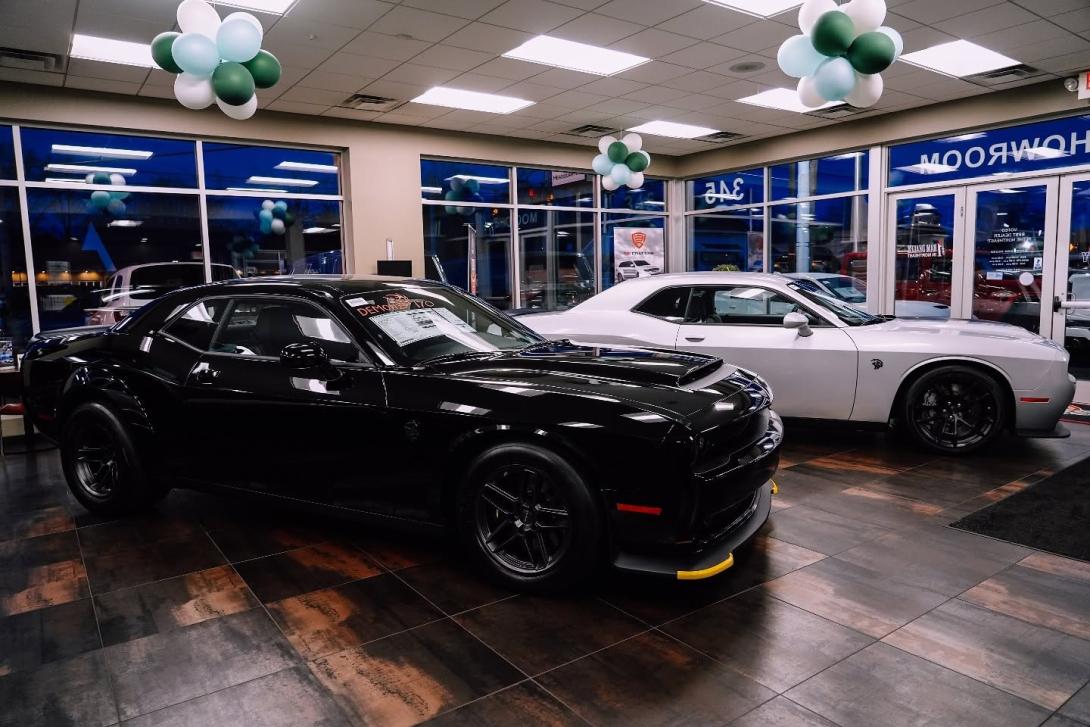
Buying a RAM truck is a practical decision for many drivers in Long Island, whether the goal is towing, work-site durability, family travel, or everyday comfort. The right dealer can make that process smoother by offering useful inventory, knowledgeable staff, transparent pricing, and dependable post-sale support. If you begin your search with a trusted Chrysler Dodge Jeep Ram Dealer Long Island, you can compare trims, understand available features, and evaluate service options in one place without wasting time. That matters because RAM trucks are built for different needs, and the best dealership experience should help you match the truck to your actual use case.
Choosing a dealer should never be based on convenience alone. A good dealership helps you understand payload, towing capacity, cab configuration, engine options, and financing terms. It also gives you confidence that the vehicle has been properly inspected, documented, and supported after purchase. For Long Island drivers, where commuting, weather, parking, and business demands can vary widely, those details matter even more.
Key Points
- Start with inventory quality: A strong dealer should offer a range of RAM trims, bed lengths, and cab styles.
- Look for transparent pricing: Clear quotes and fee explanations reduce confusion and help comparisons.
- Check staff knowledge: Sales and finance teams should be able to explain RAM features in practical terms.
- Review service support: A reliable service department adds long-term value after the sale.
- Read customer feedback carefully: Consistent comments about communication and follow-through are meaningful.
- Compare financing options: Flexible loan and lease terms can make ownership more manageable.
- Test the buying process: A smooth, low-pressure experience usually reflects stronger customer service.
Understand What You Need From a RAM Truck
Before comparing dealers, it helps to know what kind of RAM truck fits your needs. RAM 1500 models are often chosen for daily driving, light towing, and comfort. RAM 2500 and 3500 trucks are better suited for heavy hauling, demanding jobs, and larger trailers. If you are not sure which model makes sense, a knowledgeable dealer should be able to walk you through the differences without pushing you toward a higher trim than you need.
Match the truck to your daily use
Think about how often you will tow, what type of cargo you carry, and whether you need four-wheel drive for winter conditions. Long Island weather can bring rain, snow, and road salt, so durability and maintenance support are worth considering. A dealer that asks about your lifestyle first is usually more helpful than one that jumps straight to monthly payments.
Evaluate Inventory and Vehicle Availability
A dependable dealer should have more than a few trucks on the lot. Variety matters because RAM trucks come in many configurations, including different cabs, beds, drivetrains, and technology packages. A wide selection gives you a better chance of finding the right balance between capability and comfort.
Look for useful trim diversity
Some buyers need a basic work truck, while others want advanced safety features, premium interiors, or off-road equipment. A strong dealer will stock vehicles across multiple price points and trim levels so you can compare them side by side. That makes it easier to decide whether extra features are worth the cost.
Check whether special orders are supported
If the exact truck you want is not available, ask whether the dealer can place a factory order. This can be helpful if you need a specific engine, color, towing package, or interior layout. The best dealers explain the timeline clearly and keep you updated throughout the process.
Pay Attention to Sales Knowledge and Communication
RAM trucks include many technical details, and a good dealer should be able to explain them in plain language. This includes towing ratings, payload limits, drivability, fuel economy, and technology systems. If the staff can answer questions clearly, it is a good sign they understand the product and value informed customers.
Ask practical questions
- What is the difference between the available engines?
- How does towing capacity change by trim or configuration?
- Which safety features come standard?
- How do financing and lease terms compare?
- What maintenance should I expect after purchase?
A dealer that responds honestly, even when the answer is not ideal, is usually more trustworthy than one that overpromises. Clear communication also matters when paperwork, trade-ins, and delivery dates are involved.
Compare Pricing and Fees Carefully
Price is important, but the lowest advertised number is not always the best deal. Some dealerships add documentation fees, destination charges, dealer-installed equipment, or financing terms that change the real cost. Before you commit, ask for an itemized breakdown so you can compare offers fairly.
Focus on total cost, not just monthly payment
Monthly payment can be useful, but it does not tell the whole story. A longer loan term may lower the payment while increasing total interest paid. A good dealer should help you understand the full structure of the deal, including down payment, trade-in value, and estimated taxes and fees.
Be cautious with pressure tactics
If a dealer rushes you or avoids direct answers about pricing, take that seriously. A professional dealership will give you time to review figures and compare options. That is especially important for truck buyers, since RAM models can vary significantly in cost depending on configuration.
Review Financing and Lease Options
Not every buyer pays cash, so financing support is a major part of the dealership experience. The right dealer should offer access to multiple lenders or in-house financing resources and explain the difference between buying and leasing in a straightforward way.
Know your goals before you finance
If you plan to keep the truck for many years, purchasing may be the better option. If you want lower monthly payments and the ability to switch vehicles more often, leasing may be worth exploring. A good finance department will help you compare those paths without steering you toward one blindly.
Ask about trade-in evaluations
If you are trading in a current vehicle, make sure the evaluation process is transparent. Ask how the value was determined and whether the offer reflects current market conditions. Honest trade-in handling can make a major difference in your overall purchase experience.
Look Beyond the Sale: Service and Maintenance Matter
RAM trucks are built for hard use, which means service quality should be part of your dealer selection. A dealership with a strong service department can help with routine maintenance, warranty work, inspections, and repairs. This becomes especially valuable if you rely on your truck for work or daily driving.
Check service department reputation
See whether the dealer is known for clear communication, timely appointments, and accurate repairs. Ask how service scheduling works and whether they use genuine parts. A well-run service department helps protect your truck’s long-term reliability.
Consider convenience factors
For Long Island drivers, location and ease of access can matter a lot. If you expect to visit for oil changes, tire rotations, brake service, or warranty work, choosing a dealer with a convenient service department can save time over the life of the vehicle.
Read Reviews With a Critical Eye
Online reviews can be useful, but they should be read carefully. Look for patterns rather than isolated complaints or praise. If multiple customers mention the same strengths, such as clear communication or efficient service, that is meaningful. If several reviews point to the same problems, such as surprise fees or delays, those issues deserve attention.
Focus on recurring themes
Pay attention to comments about staff professionalism, delivery timing, paperwork accuracy, and follow-up support. Reviews that describe the buying process in detail often offer more value than short star ratings alone.
Test the Experience Before You Decide
One of the best ways to judge a dealer is to visit in person or start a conversation by phone or email. Notice how quickly questions are answered and whether the staff listens carefully. A dealership does not need to be flashy to be effective. It needs to be organized, respectful, and informative.
Signs of a solid dealership experience
- Staff answers questions without avoiding specifics
- Pricing details are easy to understand
- Truck features are explained in everyday language
- Test drives are offered without pressure
- Follow-up communication is prompt and professional
Conclusion
Choosing the right Long Island dealer for RAM trucks comes down to trust, knowledge, and long-term support. The best dealership will help you compare models honestly, explain pricing clearly, and guide you toward a truck that fits your real needs. It should also support you after the sale with dependable maintenance, straightforward service, and consistent communication. If you take the time to compare inventory, ask specific questions, and review the full buying experience, you are far more likely to leave with a RAM truck that serves you well for years.
FAQ
What should I look for first in a RAM truck dealer?
Start with inventory, staff knowledge, and pricing transparency. Those three factors usually reveal a lot about the overall dealership experience.
Is it better to buy from a dealer with a large inventory?
Usually yes, because more inventory gives you more options to compare. That can help you find the right cab style, trim, and equipment package.
How important is the service department?
Very important. RAM trucks often serve as daily drivers or work vehicles, so reliable service support can save time and reduce stress over the long term.
Should I trust online reviews?
Yes, but use them carefully. Look for repeated patterns in reviews rather than relying on a single positive or negative comment.
What questions should I ask during a test drive?
Ask about towing capability, ride comfort, visibility, technology features, and how the truck handles in situations similar to your daily use.
Can a dealer help if I want to order a specific RAM truck?
Many dealers can place factory orders. Ask about lead times, deposit requirements, and how updates will be communicated during the build process.