

Even the tiniest cracks inside your home’s lines can create a chain reaction of problems. Most of us don’t even think twice about what’s flowing through our walls and under our floors. That is, until a musty smell or rising water bill grabs our attention. But by that point, it’s often too late to avoid the mess. We’ve seen this time and time again — minor damage turns into major repairs because warning signs were missed or ignored.
Let’s talk about how this happens and why paying attention to the early signs can save us from costly, inconvenient disasters.
The Invisible Trouble Lurking in Old Lines
Here’s the deal — the lines running through your house don’t last forever. They get old, worn, and eventually start to give out. When this happens, it doesn’t always show right away. A small drip behind a wall might seem harmless at first. But over time, moisture builds up, and that’s when the real damage begins.
We’ve learned that once material starts to weaken — especially metal types — it rarely holds up under modern usage. Older systems just weren’t made for today’s high-demand fixtures and appliances. They’re stretched thin, and one weak spot can cause the whole system to falter.
The Ripple Effect of Ignoring Minor Damage
When one section begins to leak or clog, the rest of the system has to work harder. That extra stress can push weak spots over the edge. So, what starts as a little corrosion or wear in one area leads to pressure issues, backups, and hidden leaks in others.
We’ve worked with many homeowners who didn’t realize the damage until it reached their floors, walls, or even foundations. By then, there’s more than just water damage. There’s insulation, drywall, flooring — all needing repair.
That’s why we always recommend addressing issues early. If you’re starting to notice low flow, stains, or damp smells, it’s worth getting things looked at. We offer repiping services San Jose to help address these situations before they spiral out of control.
What Happens Beneath the Surface
Most people assume if water’s coming out of the tap, things are fine. But the truth is, water can be flowing even if there’s a problem underground or behind your walls. Tiny fractures can cause slow leaks, and those leaks can go undetected for months.
This is especially common in older systems that use outdated materials. They crack easier, corrode quicker, and don’t handle today’s usage well. We've found that fixing or replacing them early can save loads of money down the road.
If you're dealing with recurring issues or unexplained moisture, it might be time to fix copper pipe leak before it affects more than just your plumbing.
Signs We Often Brush Off That Lead to Bigger Issues
It’s funny — the warning signs are usually right in front of us, but we’re so used to them that we stop noticing. Here are a few red flags we always pay attention to:
- Water spots on ceilings or walls
- Sudden drop in water pressure
- Discolored water or strange smells
- Persistent clogs or backups
- Rising utility bills without a clear reason
These small signs may not scream emergency, but they usually mean something’s brewing underneath. And once those small issues start stacking up, repairs get more complex and more expensive.
Upgrading Materials Can Change the Game
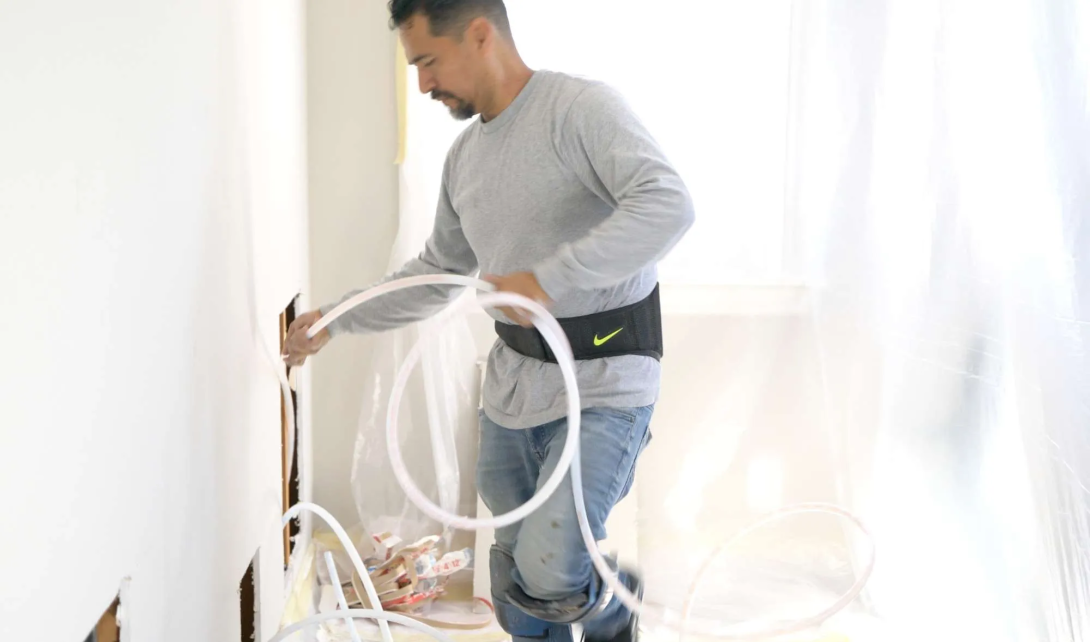
We’ve come a long way from the old days of galvanized lines and soldered metal joints. These days, there are better options that last longer and handle everyday use like champs. One of the top choices we’ve worked with is pex water pipe installation. It’s flexible, durable, and resists the kind of wear and tear that wrecks older systems.
What’s great is that newer materials also make it easier to rework systems without tearing up a house. That means less disruption, fewer holes in your walls, and quicker turnaround.
Why Full System Updates Beat Spot Fixes
Here’s something we see often: someone fixes a single section thinking it solves the problem. But then another part breaks, and they’re back to square one. It becomes a cycle of chasing leaks.
What we've found to be more effective is stepping back and evaluating the full setup. If multiple spots are giving out, it usually makes more sense to replace everything at once. It may sound like a bigger job, but it's usually faster, cleaner, and more affordable in the long run.
We’ve had great success helping people find the right solution through our team of experienced repiping contractors. They know what to look for and how to tailor each job to fit the house’s needs.
The Cost of Waiting Too Long
We’ve all put things off — it’s human nature. But when it comes to something hidden inside your walls or under your foundation, the longer you wait, the more expensive it gets.
Leaks don’t just waste water — they damage everything they touch. That means structural beams, flooring, paint, insulation — you name it. And fixing all that after months or years of unseen leaks? That’s a major bill.
It’s way easier to search for repiping services near me before things hit that point.
Let’s Keep Things Flowing Right
Our goal is simple — to make sure our homes are safe, reliable, and free from stress-causing surprises. That means staying alert to small changes and tackling weak spots before they become major problems.
We always tell folks: if something doesn’t feel right, it’s worth getting checked. A strange smell, a discoloration, or an odd sound could be telling you something your eyes can’t see.
With the right tools, materials, and team, we can get things running smoothly again — and keep them that way for years to come.
Final Thoughts
No one likes dealing with surprise repairs. But ignoring small cracks and leaks only sets us up for bigger, costlier problems down the road. By catching issues early, choosing modern materials, and relying on experienced help, we can prevent those “uh-oh” moments before they start.
Let’s stay ahead of the mess and make sure our homes stay dry, safe, and worry-free.