
India is on its way to developing a new sustainable energy future with its clean energy mission. Development of a nation is not measured by how much a nation builds for its people but by how meaningfully those advancements improve the lives and opportunities of its people. With over 50% of the nation's installed capacity now powered by non-fossil fuels, the country has demonstrated strong capability in rapid energy capacity. But the gap lies in the effective transmission of electricity. Now, the industry is transitioning to a more sophisticated challenge: building an integrated power system that delivers clean energy reliably, round the clock.
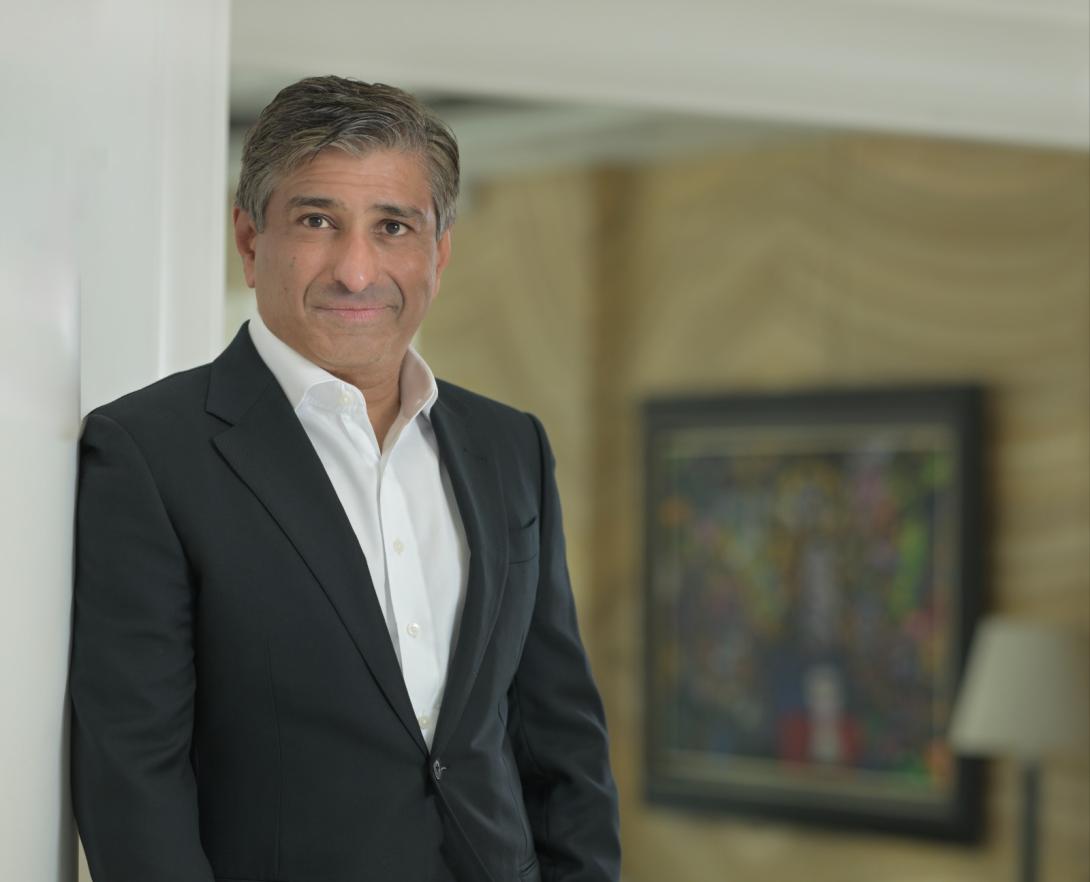
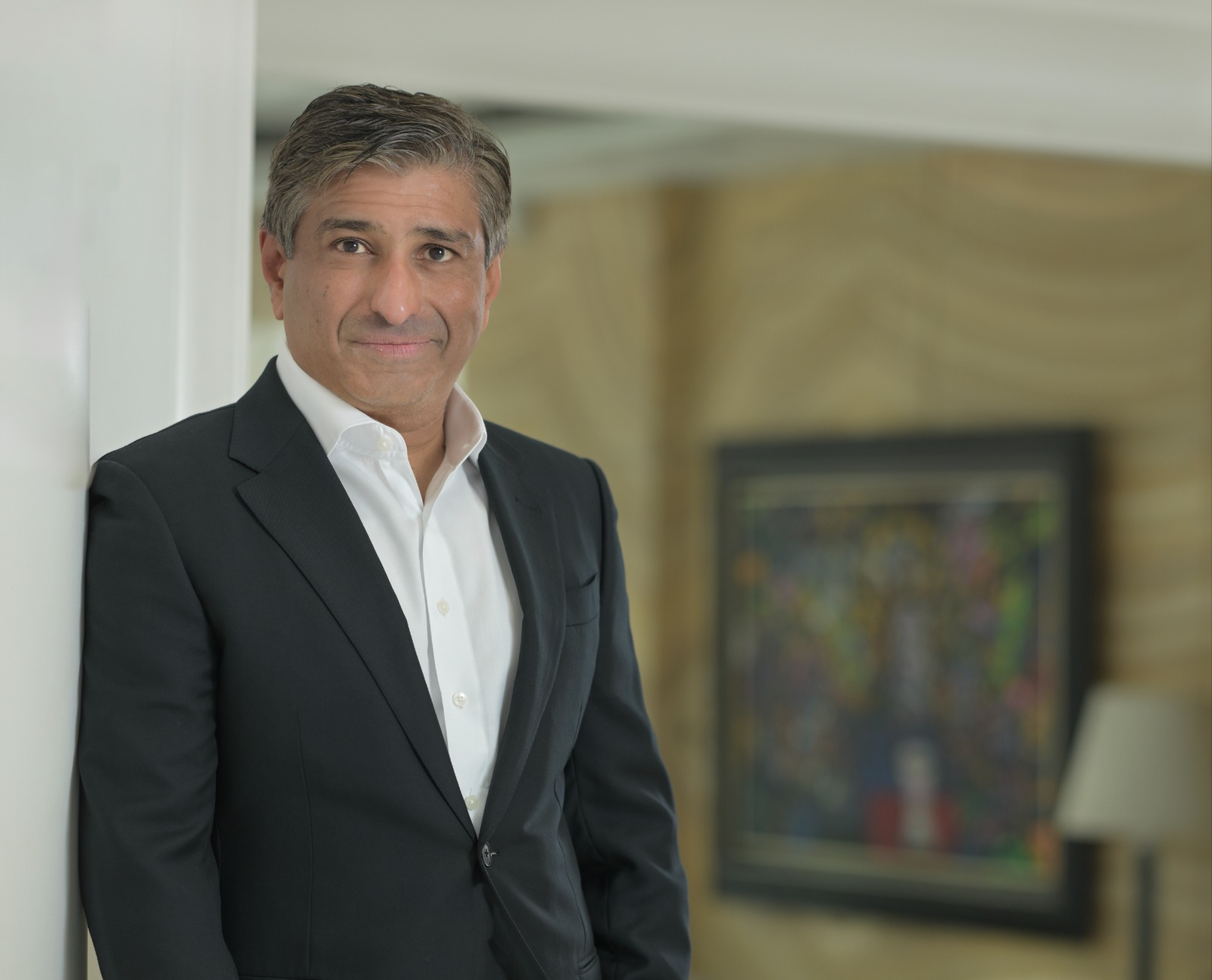
Ratul Puri, Chairman of Hindustan Power, talks about how India’s growth will not only depend on adding capacity but also on strengthening storage, supply chain and grid integration.
Energy Storage: The Game Changer
Battery Energy Storage Systems (BESS) is not just a technology now, it has become the next important infrastructure requirement for India to achieve the clean energy mission. Government policy support has established BESS as economically viable and essential for grid stability.
Major hybrid renewable projects are gaining momentum across states. According to Chairman Ratul Puri, these installations represent the industry's commitment to round-the-clock clean power, a capability that can strengthen India’s position in the global transition.
Strengthening Grid Integration for Renewable Growth
As India expands renewable capacity, stronger transmission networks and greater grid flexibility will be essential to efficiently deliver clean power to consumers. Solar generation can fluctuate with weather and differ through daytime and nighttime, making storage increasingly important for balancing supply and demand.
BESS can store surplus renewable power during periods of high generation and release it when demand rises, helping India build a more flexible, reliable and integrated power system.
Building Multiple Revenue Streams for Storage
For storage to move beyond a policy-supported market and become a commercially sustainable asset class, projects will increasingly need access to multiple revenue streams.
Ancillary services, peak-load management, energy arbitrage and grid balancing can create additional opportunities for BESS operators. A broader market framework could improve project economics while allowing storage assets to provide several services to the electricity system.
Financing models are also likely to evolve as regulatory clarity improves and the commercial role of storage becomes better understood. Greater visibility around revenue mechanisms can help attract long-term capital and support larger-scale deployment.
Conclusion: The Next Phase
India’s renewable journey has just started, with the focus on delivering the capacity generated. The ability to integrate renewable generation, strengthen transmission networks, deploy storage and manage increasingly complex electricity flows will determine how effectively the country can translate its renewable potential into reliable power.
As India moves towards its 500 GW non-fossil fuel capacity target, Chairman Ratul Puri believes that the priorities are becoming clearer: faster project execution, stronger transmission infrastructure, resilient supply chains, commercially viable storage and better coordination between generation and demand.
The next chapter of India’s renewable energy story will therefore be about building not just more clean-energy capacity, but a more flexible, reliable and intelligent power system capable of delivering clean electricity around the clock.
About Ratul Puri
Ratul Puri is the Chairman of Hindustan Power, an integrated power generation company with a strong presence in renewable and transitional energy generation. Over the years, Chairman Ratul Puri has been involved in the development of large-scale energy infrastructure projects that support India’s growing power requirements and its transition toward cleaner energy sources.
About Hindustan Power
Hindustan Power is an integrated power generation company with a presence across renewable and transitional energy assets. The company continues to invest in energy infrastructure that supports reliability, sustainability and long-term value creation within India’s evolving power sector.
This content is taken from this source: