

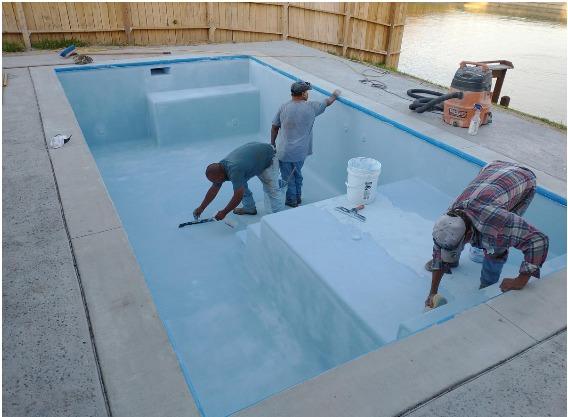
Pool Resurfacing: A Complete Guide to Restoring Your Pool
A swimming pool can provide years of enjoyment, but constant exposure to water, chemicals, sunlight, and weather can slowly affect its surface. Over time, pools may develop cracks, stains, rough textures, or faded finishes.
These issues not only affect the appearance of your pool but can also impact comfort and safety. A worn surface may become difficult to clean and require more maintenance.
Professional Pool Resurfacing is an effective solution that restores the pool’s surface, improves its appearance, and helps protect the structure for many more years.
What Is Pool Resurfacing?
Pool resurfacing is the process of removing a damaged or outdated pool finish and applying a new protective layer. It is commonly performed on concrete and gunite pools that have experienced surface wear.
The resurfacing process can refresh the look of a pool while improving its durability and functionality.
Homeowners can choose from different finishes, colors, and textures depending on their design preferences and maintenance goals.
Signs Your Pool Needs Resurfacing
Rough or Uncomfortable Surface
A pool surface that feels rough under your feet may indicate that the finish has worn down. This can make swimming less comfortable and may create safety concerns.
Resurfacing creates a smoother surface that improves the overall pool experience.
Cracks and Visible Damage
Small cracks and damaged areas can appear over time due to aging, temperature changes, and water exposure.
Repairing these problems early helps prevent further deterioration and protects the pool structure.
Faded or Stained Appearance
Pool finishes can lose their original color because of chemical exposure, mineral deposits, and regular use.
A new surface can give your pool a cleaner and more modern appearance.
Benefits of Pool Resurfacing
Improves Pool Appearance
One of the main reasons homeowners choose resurfacing is to refresh an aging pool. A new finish can completely change the look of the swimming area.
Different materials and colors allow homeowners to create a style that matches their outdoor space.
Enhances Safety and Comfort
A damaged pool surface can create rough areas that affect swimmers. Resurfacing helps create a smoother and more comfortable environment.
It also improves the overall condition of the pool area.
Extends Pool Life
Replacing the worn surface adds a new layer of protection to the pool structure.
With proper maintenance, a resurfaced pool can continue providing enjoyment for many years.
Popular Pool Resurfacing Options
Plaster Finish
Plaster is one of the most traditional pool finishes. It provides a smooth surface and is available in different colors.
It is a practical choice for homeowners looking for a simple and clean pool appearance.
Quartz Finish
Quartz finishes combine durability with an attractive appearance. They are resistant to stains and provide a decorative look.
This option is popular for homeowners who want a balance between style and performance.
Pebble Finish
Pebble finishes offer a natural appearance with strong durability. They create a textured surface that can complement outdoor landscapes.
Many homeowners choose pebble finishes for a more premium pool design.
The Pool Resurfacing Process
Inspection and Preparation
The first step is a complete inspection of the existing pool surface. Professionals identify damage and determine the right resurfacing method.
The pool is then prepared by removing old material and cleaning the surface properly.
Applying the New Finish
Once preparation is complete, the selected finish is applied carefully to create a smooth and durable surface.
Proper installation is important for achieving long-lasting results.
Final Inspection
After the resurfacing work is finished, the pool is checked to ensure the surface meets quality standards.
The pool is then prepared for safe use.
Professional Pool Restoration Services
affordable pool helps homeowners improve aging pools through reliable pool restoration solutions. Their team focuses on understanding each pool’s condition and recommending suitable options based on performance and appearance.
With professional guidance, homeowners can restore their pool and create a more enjoyable outdoor space.
How to Maintain a Resurfaced Pool
Proper maintenance helps protect a new pool finish. Regular cleaning, balanced water chemistry, and routine inspections can extend the life of the surface.
Avoiding chemical imbalance is especially important because harsh water conditions can damage the finish over time.
Consistent care keeps the pool looking attractive and functioning properly.
When Should You Consider Pool Resurfacing?
The right time for resurfacing depends on the condition of your pool surface. If you notice cracks, rough textures, stains, or frequent repairs, it may be time to consider resurfacing.
Addressing surface problems early can prevent more serious damage and higher repair costs.
Conclusion
Pool resurfacing is a practical way to restore an aging swimming pool without replacing the entire structure. It improves appearance, enhances comfort, and provides additional protection against future damage.
With the right finish and professional installation, resurfacing can help homeowners enjoy a beautiful and durable pool for many years.
FAQs About Pool Resurfacing
How often does a pool need resurfacing?
Most pools need resurfacing after several years, depending on the pool material, maintenance routine, and level of use.
How long does pool resurfacing take?
The timeline depends on the pool size, surface condition, and chosen finish. Many resurfacing projects can be completed within several days to a few weeks.
Is pool resurfacing better than replacing a pool?
If the pool structure is still strong, resurfacing is often a more affordable option than complete replacement. It restores the surface while keeping the existing pool foundation.