

In the world of competitive sports, athletes and coaches are always looking for ways to gain an edge. While most training regimens emphasize speed, strength, and agility, one critical area is often overlooked neck strength. Strengthening the neck isn’t just about preventing injury; it can also play a surprising role in boosting athletic performance. And with the right neck strength equipment, athletes can train more efficiently, safely, and effectively.
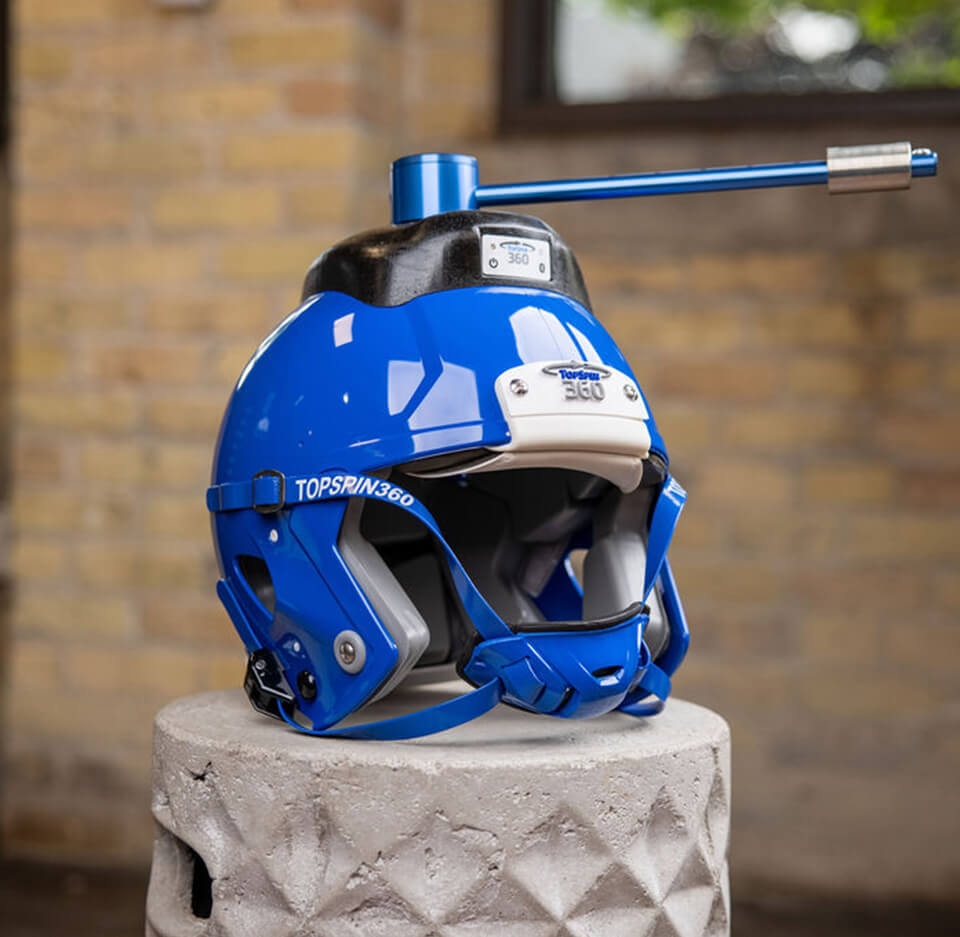
This blog explores how targeted neck training supports overall performance and what to look for in quality neck training tools.
Why Neck Strength Matters for Athletes
The neck is more than just a connection between the head and the torso—it plays a vital role in stability, balance, and movement. A strong neck helps athletes:
- Stabilize the head during high-impact actions
- Maintain posture and control during rapid directional changes
- React faster in dynamic environments
- Protect the brain from sudden jolts or whiplash-like motion
Whether it's absorbing contact in football, maintaining body alignment in gymnastics, or enhancing balance in soccer, neck strength gives athletes a subtle but critical advantage.
Performance Benefits of Neck Strength Training
1. Improved Head Control and Balance
In fast-paced sports, body control is everything. A strong neck improves head stability, which enhances balance and overall movement efficiency. This is especially useful in sports like basketball, wrestling, and martial arts, where body awareness and rapid repositioning are essential.
2. Better Reaction Time
When the head is stable, the visual and vestibular systems can function more effectively. This means faster visual processing and improved reaction time—key performance traits in nearly every sport.
3. Increased Resilience During Contact
Athletes who train their necks are better equipped to withstand contact. In sports like football, hockey, and rugby, this means staying upright longer, maintaining control through tackles, and recovering more quickly from impacts.
4. Reduced Risk of Fatigue-Related Mistakes
Fatigue often leads to poor posture and decreased control. A strong neck supports the upper spine and shoulders, helping athletes maintain optimal form and focus for longer periods.
What to Look for in Neck Strength Equipment
The right equipment makes a big difference in how effectively and safely athletes can train their neck muscles. Here’s what to look for:
✅ Multi-Directional Movement
Neck muscles move in more than just one direction—forward, backward, side-to-side, and rotational. Look for equipment that allows 360-degree movement, enabling complete, functional strength development.
✅ Adjustable Resistance
Different athletes have different strength levels. The best equipment offers progressive resistance so athletes can train safely and increase intensity over time.
✅ Comfortable, Secure Fit
Fit is critical, especially in neck training. Equipment should be comfortable, adjustable, and secure enough to avoid slipping during use.
✅ Youth and Adult Compatibility
If training programs span different age groups, ensure the gear is suitable for both youth and adult athletes, or comes in appropriately sized models.
✅ Durability and Ease of Use
The best training tools are built to last and don’t require complicated setup. Simple, intuitive designs encourage consistent use and make it easy to integrate into existing workouts.
How to Incorporate Neck Training Into Routine
Neck strength training doesn’t require a complete overhaul of an athlete’s training schedule. Just 5–10 minutes, two to three times per week can yield meaningful results.
Here’s a simple plan:
- Start with isometric holds (pressing the head against resistance in different directions).
- Progress to dynamic movements with light resistance, focusing on control.
- Use neck strength equipment to enhance range of motion and add resistance in a safe, repeatable way.
- Track progress regularly to adjust resistance and keep athletes challenged.
By making neck exercises a consistent part of warm-ups or cooldowns, coaches can help athletes stay protected and build better physical foundations.
Performance and Protection Go Hand in Hand
While much of the conversation around neck strength centers on concussion prevention, it’s just as valuable for athletic development. A strong, stable neck contributes to better body mechanics, faster responses, and greater durability—all of which translate to performance gains on the field, court, or mat.
Athletes who take their neck training seriously often find they’re not only safer but also stronger, faster, and more agile—exactly the traits needed to excel in modern sports.
Final Thoughts
Investing in the right neck strength equipment is more than a safety measure—it's a smart performance strategy. For athletes who want to train smarter and stay at the top of their game, neck training is no longer optional; it’s essential.
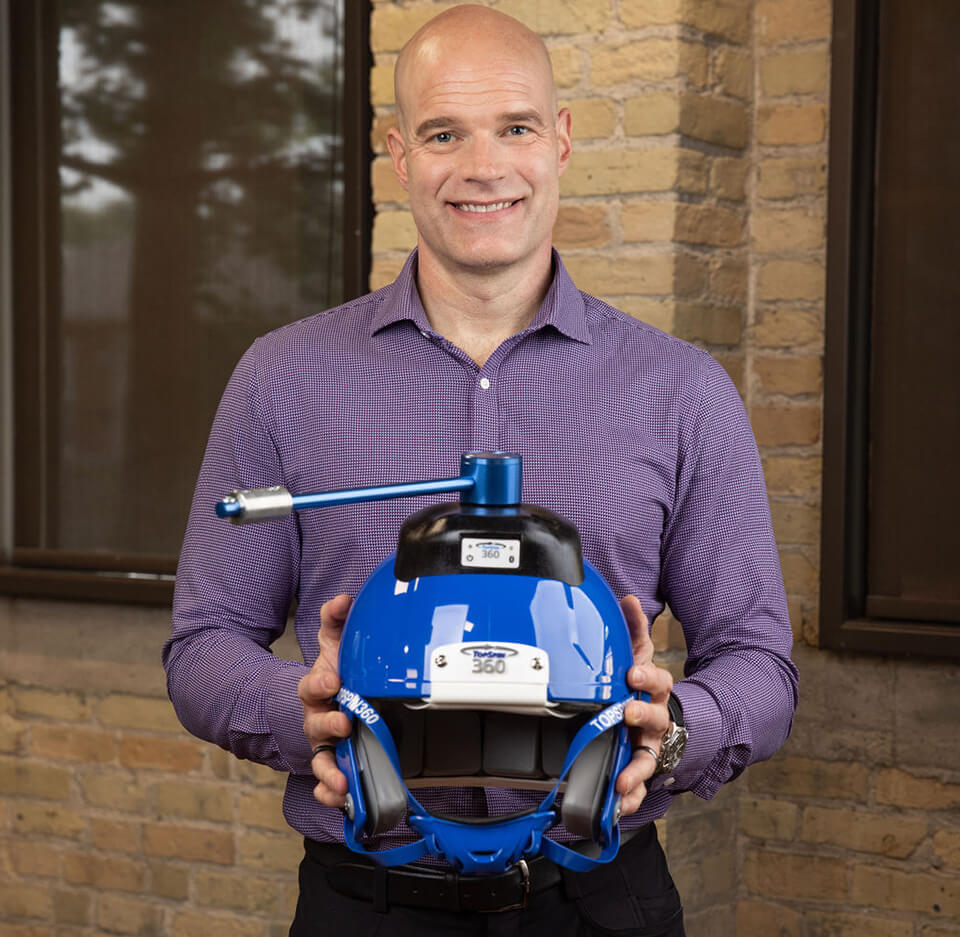
By targeting an area that’s frequently ignored, athletes can gain an edge in competition and long-term health. Coaches, trainers, and athletes alike should take notice—because stronger necks lead to stronger performance.