
If you've searched for backflow testing in Holly Springs, NC, chances are you got a reminder letter from the Town, you're closing on a home with an irrigation system, or you just want to make sure your drinking water stays safe. Whatever brought you here, this guide breaks down what backflow testing actually is, why Holly Springs requires it, what the process looks like, and how to get it done quickly with a certified local tester.
My Blog
Whether you're dealing with a stubborn clog in Clayton or an aging pipe system in Durham, timely plumbing repair protects your home from costly water damage and keeps everything running smoothly. Choosing a licensed, experienced, and locally trusted plumber is the best way to ensure the job is done right the first time.
A burst pipe at 2 a.m. Water pooling under the kitchen sink. A sewer backup that fills your bathroom with a smell you never want to experience twice. Plumbing emergencies don't check the clock before they strike, and when they hit your Durham home or business, you need a plumber who answers just as fast as the problem showed up. That's where Arbor Plumbing & NC Backflow comes in.
Based in Garner, NC and serving Raleigh, Durham, Chapel Hill, Clayton, Holly Springs, and the greater Triangle area, Arbor Plumbing & NC Backflow provides the full range of residential and commercial plumbing services covered above — from emergency repairs and drain clearing to water heater installation, backflow testing, camera inspections, and new construction plumbing.
If you own property in Raleigh, chances are you've received a notice reminding you that your backflow prevention device is due for testing. Maybe you've ignored it, wondered if it's even necessary, or aren't sure who to call. You're not alone — backflow testing is one of the most overlooked but legally required plumbing services in Wake County, and skipping it can lead to fines, water shutoffs, or worse: contaminated drinking water.
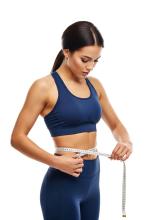
Achieving a sculpted, toned lower body is a common aesthetic goal, yet it remains one of the most challenging fitness milestones to hit independently. Many individuals find that despite maintaining a strict dietary regimen and spending countless hours on targeted leg workouts, stubborn fat pockets persist around the thighs, hips, flanks, and lower abdomen. This frustrating phenomenon is largely driven by genetics, hormonal balances, and localized receptors that inhibit fat breakdown in these specific regions.