
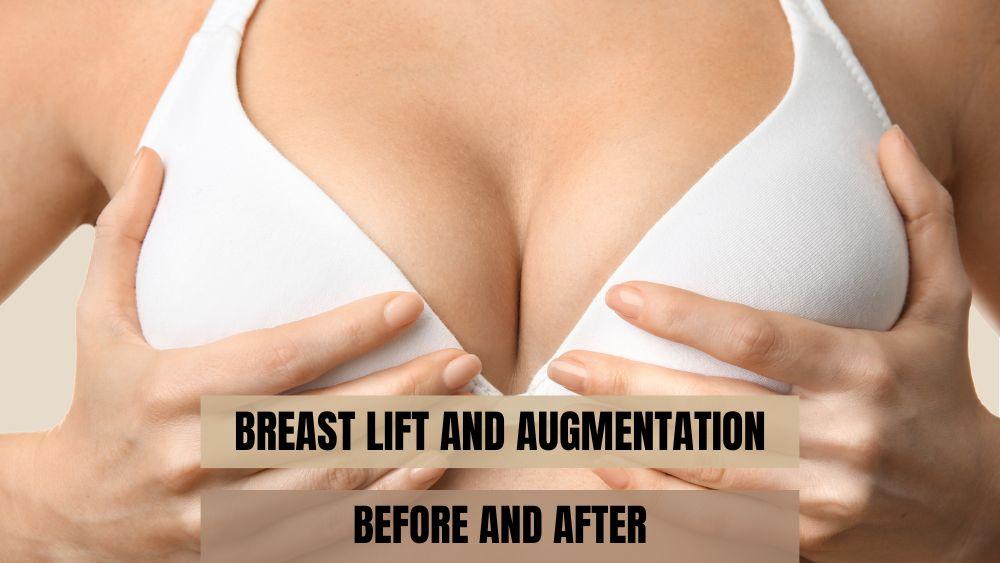
The human breast holds both biological and aesthetic significance, playing an important role in identity, confidence, and overall well-being. In recent years, interest in cosmetic procedures has grown significantly, with many individuals exploring options to enhance or restore breast appearance. One commonly searched phrase in this domain is boob job dubai, reflecting the global demand for safe, high-quality breast enhancement procedures. This guide offers a detailed look at breast anatomy, common concerns, available treatments, and considerations for anyone thinking about breast-related procedures.
The Anatomy of the Breast
The breast is a complex structure composed of glandular tissue, fat, and connective fibers. It sits on the chest wall over the pectoral muscles. The primary components include:
- Lobules and ducts: Responsible for milk production and transport.
- Adipose tissue (fat): Determines size and softness.
- Cooper’s ligaments: Provide structural support.
- Nipple and areola: Central features with both functional and aesthetic importance.
Each person’s breast structure is unique, influenced by genetics, hormones, age, and lifestyle factors.
Natural Changes in Breast Appearance
Breasts naturally change throughout life due to several factors:
- Puberty: Hormonal changes trigger initial development.
- Pregnancy and breastfeeding: Can cause enlargement, stretching, and volume loss afterward.
- Aging: Skin elasticity decreases, leading to sagging (ptosis).
- Weight fluctuations: Gain or loss can significantly impact breast size and shape.
- Hormonal changes: Menopause often leads to reduced firmness.
Understanding these natural processes helps set realistic expectations for both natural and enhanced breast appearance.
Common Concerns Related to Breasts
Many individuals seek professional advice due to aesthetic or functional concerns such as:
- Small breast size: Desire for fuller, more proportionate appearance.
- Asymmetry: One breast noticeably different from the other.
- Sagging (ptosis): Loss of firmness and uplift.
- Volume loss: Often after pregnancy or weight loss.
- Discomfort due to large breasts: Back pain, posture issues, and skin irritation.
These concerns are valid and widely experienced, making breast procedures among the most commonly performed cosmetic surgeries worldwide.
Breast Enhancement Options
Modern cosmetic medicine offers a variety of options to address different needs. These procedures are typically customized based on body type, goals, and medical history.
1. Breast Augmentation
Breast augmentation is designed to increase size and improve shape using implants or fat transfer.
Implant Types:
- Silicone implants: Known for a natural feel.
- Saline implants: Filled with sterile salt water.
- Gummy bear implants: Form-stable and maintain shape well.
Fat Transfer:
- Uses the patient’s own fat, harvested from areas like the abdomen or thighs.
- Offers a more subtle, natural enhancement.
This procedure is ideal for individuals seeking fuller breasts or correcting asymmetry.
2. Breast Lift (Mastopexy)
A breast lift focuses on repositioning and reshaping sagging breasts without significantly increasing size.
- Removes excess skin
- Tightens surrounding tissue
- Elevates the nipple to a more youthful position
Often combined with augmentation for enhanced results.
3. Breast Reduction
Breast reduction is both cosmetic and functional. It helps individuals experiencing discomfort due to overly large breasts.
Benefits include:
- Relief from neck and back pain
- Improved posture
- Enhanced mobility
- Better clothing fit
4. Breast Reconstruction
Typically performed after mastectomy or trauma, breast reconstruction aims to restore shape and appearance.
Options include:
- Implants
- Autologous tissue reconstruction (using patient’s own tissue)
This procedure plays a significant role in emotional healing and self-confidence restoration.
Non-Surgical Options
While surgical procedures offer dramatic results, non-invasive alternatives are gaining popularity:
- Skin tightening treatments (radiofrequency or ultrasound-based)
- Topical creams (limited effectiveness)
- Exercise (strengthens underlying muscles but does not increase breast size)
These options are suitable for minor improvements but cannot replace surgical outcomes.
Choosing the Right Procedure
Selecting the right approach depends on several factors:
- Body proportions
- Skin elasticity
- Desired outcome
- Medical history
- Budget and recovery time
A consultation with a qualified professional is essential to evaluate these aspects and develop a personalized treatment plan.
What to Expect During the Procedure
Although details vary depending on the chosen treatment, most surgical procedures follow a similar process:
- Consultation and planning
- Anesthesia administration
- Surgical intervention
- Recovery and follow-up
Procedures typically take 1–3 hours, and most patients can return home the same day.
Recovery and Aftercare
Recovery plays a crucial role in achieving optimal results. General guidelines include:
- Wearing supportive garments
- Avoiding strenuous activities for a few weeks
- Keeping the surgical area clean
- Attending follow-up appointments
Most individuals resume normal routines within 2–6 weeks, depending on the procedure.
Risks and Considerations
Like any medical procedure, breast surgeries carry potential risks:
- Infection
- Scarring
- Implant complications (rupture or capsular contracture)
- Changes in sensation
Choosing an experienced and certified professional significantly reduces these risks.
Psychological and Emotional Impact
Breast procedures often have a profound psychological impact. Many individuals report:
- Increased confidence
- Improved body image
- Greater comfort in clothing
However, it’s important to have realistic expectations and ensure that the decision is self-motivated rather than influenced by external pressures.
Cost Factors
The cost of breast procedures varies widely based on:
- Type of procedure
- Surgeon’s expertise
- Facility standards
- Geographic location
While affordability matters, prioritizing safety and quality is essential.
Cultural and Social Perspectives
Perceptions of beauty differ across cultures, but the desire for proportion and symmetry is universal. Media and social trends often influence aesthetic goals, but personal comfort and confidence should always take priority.
Advances in Breast Surgery
Modern techniques have made breast procedures safer and more effective than ever:
- Minimally invasive methods
- Improved implant materials
- Enhanced imaging for planning
- Faster recovery protocols
These advancements continue to improve patient satisfaction and outcomes.
Maintaining Breast Health
Regardless of cosmetic choices, maintaining breast health is vital:
- Regular self-examinations
- Routine medical check-ups
- Healthy lifestyle habits
- Awareness of changes in shape, size, or texture
Early detection of any issues ensures better outcomes.
How Lifestyle Choices Affect Breast Shape and Firmness
Lifestyle plays a significant role in maintaining the natural shape and firmness of the breasts. Factors such as diet, exercise, hydration, and smoking habits can directly influence skin elasticity and tissue health. For instance, a balanced diet rich in vitamins like C and E helps support collagen production, which keeps the skin firm. Regular exercise, particularly chest-focused workouts, strengthens the underlying pectoral muscles, giving a slightly lifted appearance. On the other hand, smoking accelerates skin aging and can lead to premature sagging. Maintaining a stable weight is also important, as frequent weight fluctuations can stretch the skin and alter breast volume over time.
Understanding Implant Longevity and Maintenance
Breast implants are not considered lifetime devices, and understanding their longevity is essential for anyone considering augmentation. On average, implants can last between 10 to 20 years, although many remain intact even longer without issues. Regular monitoring through medical check-ups ensures that any complications, such as rupture or capsular contracture, are detected early. Patients are often advised to undergo imaging tests like MRI or ultrasound periodically to assess implant condition. While replacements are not always necessary within a fixed timeframe, being aware of changes in shape, feel, or comfort can help determine when medical consultation is needed.
The Role of Genetics in Breast Size and Structure
Genetics is one of the primary factors that determine breast size, shape, and overall structure. Traits such as breast density, skin elasticity, and the tendency for sagging are often inherited. If close family members have naturally larger or smaller breasts, similar patterns may appear across generations. Genetics also influences how breasts respond to hormonal changes, aging, and weight fluctuations. While cosmetic procedures can modify appearance, understanding genetic predisposition helps individuals set realistic expectations and make informed decisions about enhancement or corrective treatments.
Preparing for Your Breast Procedure: A Step-by-Step Guide
Proper preparation is crucial for achieving successful outcomes in any breast procedure. The process typically begins with a detailed consultation, where goals, expectations, and medical history are discussed. Patients may be required to undergo certain tests and adjust medications before surgery. Lifestyle changes, such as quitting smoking and avoiding alcohol, are often recommended to promote better healing. Arranging post-procedure support, including someone to assist during the initial recovery phase, is equally important. Following pre-operative instructions carefully not only minimizes risks but also contributes to smoother recovery and optimal results.
Debunking Common Myths About Breast Enhancement
There are many misconceptions surrounding breast enhancement procedures, which can lead to confusion or unrealistic expectations. One common myth is that implants always look unnatural; however, modern techniques and advanced implant materials allow for highly natural-looking results. Another misconception is that breast surgery is only for cosmetic purposes, while in reality, procedures like reduction and reconstruction often address medical or psychological concerns. Some also believe that recovery takes months, but many patients return to normal activities within a few weeks. Understanding the facts helps individuals make informed, confident decisions without being influenced by misinformation.
Final Thoughts
Breast aesthetics and health are deeply personal topics influenced by a range of physical, emotional, and cultural factors. Whether considering enhancement, restoration, or simply seeking to understand your body better, having accurate information is key.
Modern cosmetic procedures offer safe and effective solutions tailored to individual needs, but thoughtful decision-making and professional guidance remain essential. Ultimately, the goal is not just physical transformation, but achieving a sense of confidence, comfort, and well-being that aligns with your personal identity.