

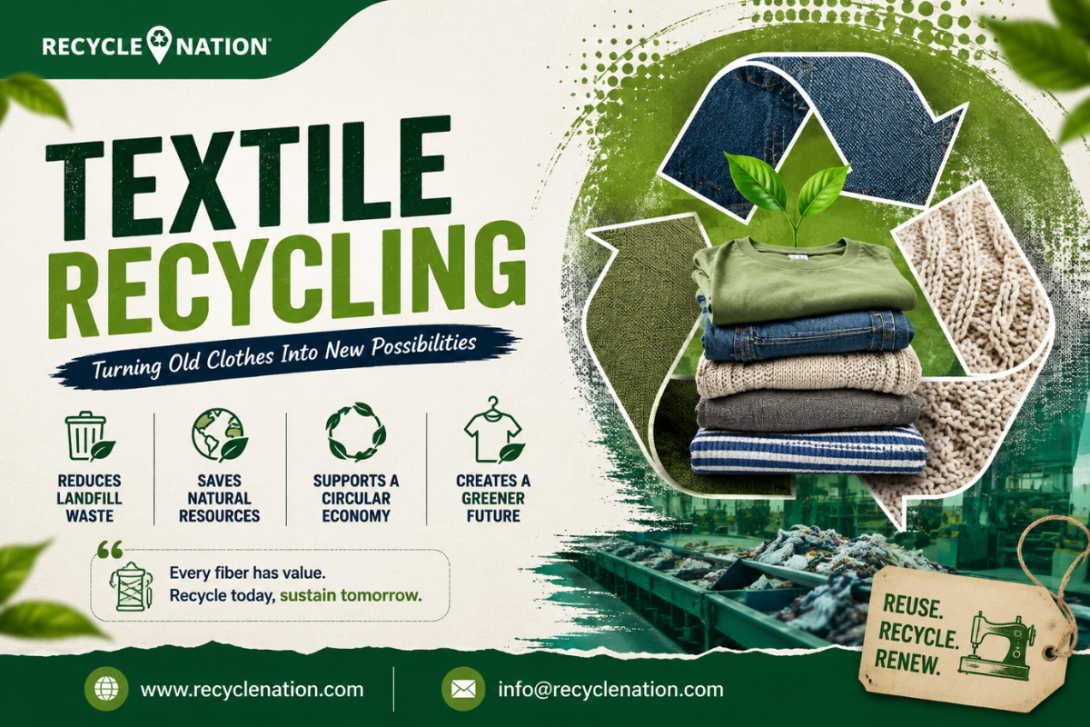
The process of textile recycling becomes much more challenging in case of a garment that comprises several kinds of fibers. Different fibers have their own qualities, and thus, mixing them is often beneficial for creating clothes with desirable characteristics. For example, cotton adds softness and breathability, polyester is durable and strong, while elastane makes the cloth stretchy. Consumers benefit from wearing such a product, but it poses a significant obstacle on the path to recycling.
Separating various fibers once they are knitted into one fabric can be done by employing specific equipment. Mechanical recycling will be unable to obtain high-quality fibers from a mixture of materials. As a result, the process will require additional investments.
In turn, this situation will create an issue with the perception of recyclability among consumers. Not all garments that contain recyclable materials will be processed easily by recycling facilities.
It might be possible to apply advanced technology in order to detect the composition of fabrics prior to their processing. Moreover, chemical and hybrid methods of recycling can become the means of making a mixed fiber material more accessible.
This challenge also highlights the role of product design in addressing the problem. Designing products that make consideration of end-of-life recovery during fabric selection can assist in making clothes that are easy to recycle at the end of their life cycle.
As consumers, we could contribute by purchasing durable clothes, fixing clothes, donating used clothes, and utilizing effective textile recycling programs. Not purchasing clothes would also decrease the amount of clothes that have to be disposed of.
The solution to the mixed fiber challenge requires efforts throughout the whole clothing life cycle. Good design, proper sorting, effective separation technologies, reuse, and proper consumer behavior could solve the problem.