

For Riyadh residents considering liposuction, prioritizing safety is paramount to achieving successful outcomes and minimizing risks. While liposuction surgery in riyadh is generally safe when performed by qualified professionals, it is still a surgical procedure with inherent risks. Here are essential safety tips to ensure a smooth and secure experience:
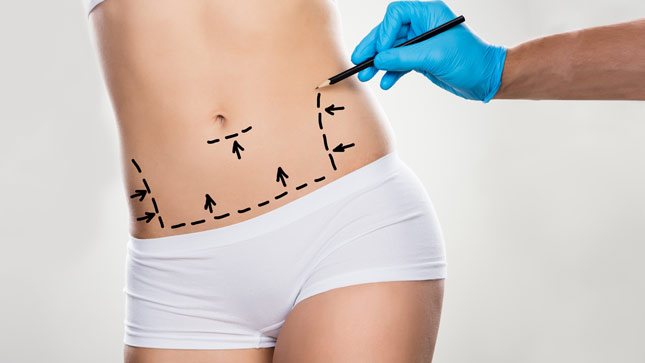
1. Choose a Board-Certified Plastic Surgeon
This is arguably the most crucial step. In Riyadh, ensure your surgeon is:
-
Board-Certified: This signifies they have undergone rigorous training, passed comprehensive exams, and met the highest standards of expertise and ethics in plastic surgery. Look for certifications from reputable boards like the Saudi Commission for Health Specialties or international equivalents.
- Experienced in Liposuction: Inquire about their specific experience with liposuction, including the number of procedures performed and their comfort level with various techniques (e.g., VASER, laser, traditional).
- Specialized in Body Contouring: While many plastic surgeons perform liposuction, some have a particular focus on body contouring, which can translate to more refined results and a deeper understanding of anatomical considerations.
-
Transparent and Communicative: A good surgeon will thoroughly explain the procedure, its risks, expected outcomes, and alternative options. They should listen to your concerns and answer all your questions.
2. Select an Accredited and Well-Equipped Facility
The environment where your surgery is performed significantly impacts safety. Look for clinics or hospitals in Riyadh that are:
- Accredited: Ensure the facility is licensed and accredited by relevant health authorities in Saudi Arabia. This indicates adherence to strict safety and hygiene protocols.
-
Equipped for Emergencies: The facility should have all necessary equipment and trained personnel to handle any potential complications or emergencies that may arise during or after surgery.
-
Sterile Environment: A clean, sterile operating room is vital to prevent infections.
- Proper Anesthesia Administration: Confirm that a qualified anesthesiologist or nurse anesthetist will administer and monitor your anesthesia throughout the procedure.
3. Undergo a Comprehensive Medical Evaluation
Before liposuction, your surgeon will conduct a thorough assessment to determine your suitability for the procedure. This typically includes:
- Detailed Medical History: Be completely honest about your health conditions, past surgeries, allergies, and all medications (prescription, over-the-counter, and herbal supplements).
-
Physical Examination: The surgeon will assess the areas you wish to treat, your skin elasticity, and overall health.
-
Lab Tests: Expect to undergo various blood tests (e.g., complete blood count, blood clotting tests) and potentially other diagnostic tests to rule out any underlying health issues that could increase surgical risks.
-
Realistic Expectations: A responsible surgeon will ensure you have realistic expectations about what liposuction can achieve and its limitations. It's for contouring, not significant weight loss.
4. Follow Pre-Operative Instructions Diligently
Your surgeon will provide specific instructions to prepare for surgery. Adhering to these is crucial for minimizing risks:
-
Medication Adjustments: You will likely need to stop certain medications, especially blood thinners (like aspirin, ibuprofen, certain herbal supplements like ginkgo biloba or garlic), well before surgery to reduce bleeding risk.
-
Smoking Cessation: If you smoke, you will be strongly advised to quit several weeks before surgery. Smoking severely impairs healing and increases the risk of complications.
- Alcohol Restriction: Avoid alcohol consumption for at least a week before surgery.
- Fasting: Follow your surgeon's instructions precisely regarding fasting from food and drink before anesthesia.
- Arrange for Support: Plan for someone to drive you home after surgery and assist you with daily tasks for the first few days of recovery.
5. Adhere Strictly to Post-Operative Care Instructions
Recovery is a critical phase for both safety and optimal results:
-
Wear Compression Garments: This is non-negotiable. Compression garments help reduce swelling, minimize fluid accumulation (seromas), and promote skin retraction to the new contours. Wear it exactly as instructed by your surgeon.
-
Manage Pain and Swelling: Take prescribed pain medication as directed. Expect and manage swelling and bruising, which are normal and will gradually subside.
- Monitor Incision Sites: Keep incision sites clean and dry. Report any signs of infection (e.g., excessive redness, warmth, pus, fever) to your surgeon immediately.
-
Light Activity: While rest is important, light walking is often encouraged soon after surgery to promote circulation and prevent blood clots. Avoid strenuous activities, heavy lifting, and vigorous exercise for several weeks.
-
Stay Hydrated and Eat Healthily: A balanced diet and adequate hydration support your body's healing process.
-
Attend Follow-up Appointments: Regular follow-up visits with your surgeon are essential to monitor your recovery, address any concerns, and ensure you're healing properly.
By meticulously following these safety tips and prioritizing your well-being throughout the liposuction process, Riyadh residents can enhance their chances of a safe procedure and achieve satisfying aesthetic outcomes.
Sources

Generate Audio Overview
Deep Research
Canvas
Video