

After undergoing liposuction surgery in Riyadh, a smooth and effective recovery is crucial for achieving the best possible results. Experts in Riyadh's top clinics emphasize adhering to a comprehensive aftercare plan. Here are key recovery tips based on their recommendations:
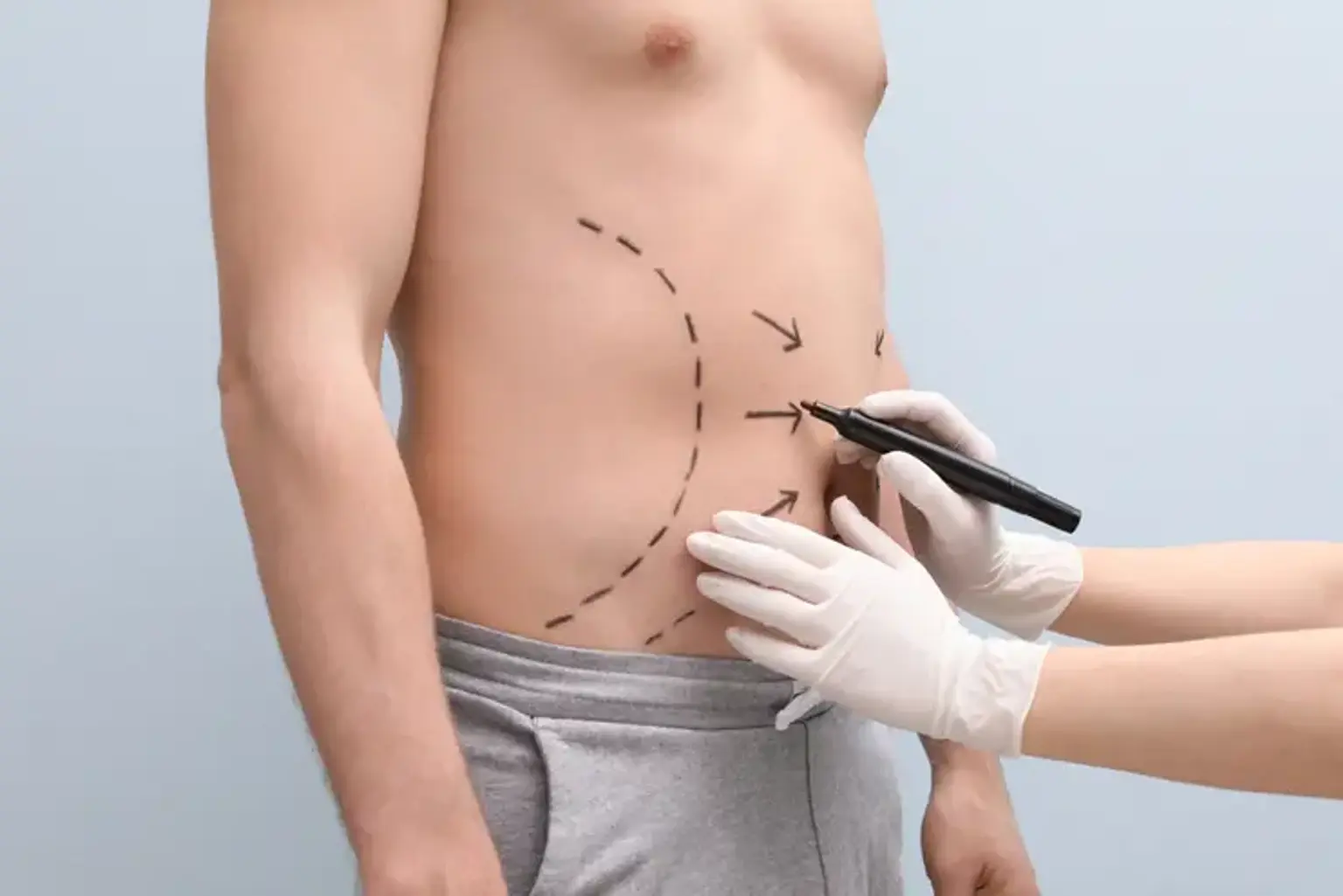
1. Follow Your Surgeon's Instructions Diligently: This is the most critical advice. Your plastic surgeon in Riyadh will provide specific post-operative instructions tailored to your procedure and individual needs. This includes guidance on medication, wound care, activity restrictions, and follow-up appointments. Do not deviate from these instructions.
2. Wear Your Compression Garment Consistently:
- Purpose: Compression garments are essential. They help to reduce swelling, minimize bruising, support the newly contoured areas, and encourage the skin to retract smoothly over the reduced fat.
- Duration: You'll typically be advised to wear the garment for several weeks, often 24/7 for the first few weeks, only removing it for showering. Your surgeon will specify the exact duration.
- Fit: Ensure the garment fits snugly but comfortably. It should provide consistent pressure without causing excessive constriction or discomfort.
3. Manage Swelling and Discomfort:
- Swelling: Swelling is a normal and expected part of the recovery process, often peaking in the first 1-2 weeks. It can take several weeks to months for the majority of the swelling to subside, and final results may not be visible for 3-6 months, or even up to a year.
- Cold Compresses: Applying cold compresses or ice packs to the treated areas (as directed by your surgeon) can help reduce swelling and discomfort, especially in the initial days. Avoid direct contact with ice on the skin; always use a barrier.
- Elevation: Elevating the treated areas, particularly if the legs or ankles were treated, can help reduce fluid accumulation and swelling due to gravity.
- Pain Medication: Take prescribed pain medications as directed to manage discomfort. Over-the-counter pain relievers may be recommended for milder pain once your surgeon approves.
4. Prioritize Rest but Stay Mobile:
- Rest: Adequate rest is vital for your body to heal. You may feel fatigued, especially in the first few days.
- Gentle Movement: While rest is important, avoiding prolonged inactivity is equally crucial. Short, gentle walks are highly recommended starting within a day or two after surgery (if your surgeon approves). This helps improve circulation, reduces the risk of blood clots, and aids in flushing out fluids.
- Avoid Strenuous Activities: Refrain from strenuous exercise, heavy lifting, bending, and rigorous activities for several weeks (typically 2-6 weeks, or as advised by your surgeon). Gradually reintroduce activities as your body heals and your surgeon gives clearance.
5. Stay Hydrated and Maintain a Healthy Diet:
- Hydration: Drink plenty of water throughout your recovery. Proper hydration helps flush out toxins, aids in fluid balance, and supports the healing process. Avoid sugary drinks and excessive caffeine.
- Nutrient-Rich Diet: Focus on a balanced diet rich in:
- Lean Protein: Essential for tissue repair and muscle maintenance (e.g., chicken, fish, eggs, legumes).
- Fruits and Vegetables: Provide essential vitamins, minerals, and antioxidants to support healing and reduce inflammation.
- Whole Grains: Offer sustained energy.
- Healthy Fats: Such as those found in avocados, nuts, and olive oil, can help reduce inflammation.
- Limit Sodium: Reduce salt intake, as sodium can contribute to fluid retention and increased swelling.
- Avoid Processed Foods, Alcohol, and Smoking: These can hinder the healing process, increase inflammation, and pose risks. Smoking specifically impairs blood flow, which is crucial for healing.
6. Practice Good Wound Care:
- Keep incision sites clean and dry as instructed by your surgeon to prevent infection.
- You may be allowed to shower 24-48 hours after surgery, but avoid baths, hot tubs, or swimming until incisions are fully healed.
7. Consider Lymphatic Drainage Massage (if recommended): Some Riyadh experts may recommend manual lymphatic drainage (MLD) massages. These gentle massages can help reduce swelling by promoting the efficient drainage of lymphatic fluid, which accumulates after surgery. If recommended, ensure the massage therapist is qualified and experienced in post-surgical lymphatic drainage.
8. Attend Follow-Up Appointments: Regular follow-up appointments with your surgeon are crucial to monitor your healing progress, address any concerns, and ensure you're on track for optimal results.
By diligently following these recovery tips, you can significantly enhance your healing process and achieve the best possible aesthetic outcome from your liposuction procedure in Riyadh.