

Preparing for rhinoplasty surgery in Riyadh involves a combination of medical, practical, and personal steps to ensure a smooth procedure and optimal recovery. Your plastic surgeon and their team will provide specific instructions tailored to your case, but here's a general guide to what you can expect and how to prepare:
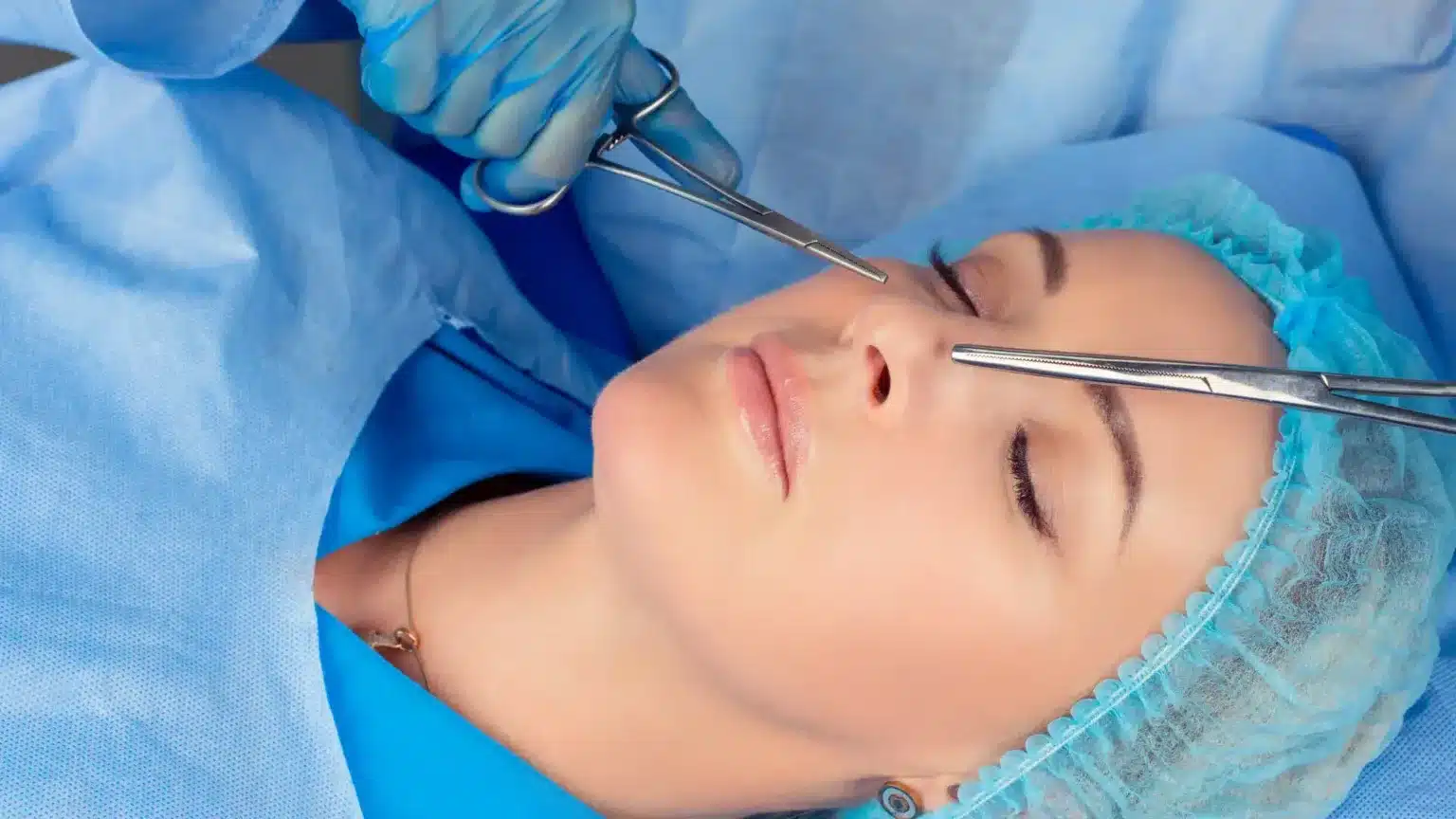
I. Medical Preparations:
- Thorough Consultation and Medical Evaluation:
- This is the foundational step. Your surgeon in Riyadh will conduct a detailed physical examination of your nose (both internal and external), discuss your medical history, any allergies, and all medications (prescription, over-the-counter, and herbal supplements) you are currently taking.
- Be Honest: It's crucial to be completely transparent about your health, lifestyle, and medications. This information helps your surgeon assess your suitability for surgery and anticipate any potential risks.
- Diagnostic Tests: You will likely undergo various pre-operative tests, such as blood tests (to check hemoglobin levels, clotting abilities, etc.), an EKG (electrocardiogram), and possibly a urine test. For women, a pregnancy test might also be required. These tests ensure you are healthy enough for general anesthesia and surgery.
- Medication Adjustments:
- Avoid Blood Thinners: You will be instructed to stop taking aspirin, ibuprofen (e.g., Advil, Motrin), naproxen (Aleve), and other non-steroidal anti-inflammatory drugs (NSAIDs), as well as Vitamin E and certain herbal supplements (e.g., ginkgo biloba, garlic, ginseng) for at least two weeks before surgery. These can increase the risk of bleeding.
- Prescription Medications: Discuss all your prescription medications with your surgeon. They will advise which ones to continue and which to temporarily stop. Only take medications approved or prescribed by your surgeon.
- Acetaminophen (Tylenol): Generally, acetaminophen is safe to take if needed.
- Smoking and Alcohol Cessation:
- Smoking: This is non-negotiable. You must stop smoking and using any nicotine products (including vaping and nicotine patches) for at least two to four weeks, or ideally longer (six weeks is often recommended), before surgery. Smoking severely impairs blood circulation, delays wound healing, and increases the risk of complications such as infection, poor scarring, and tissue necrosis.
- Alcohol: Avoid alcohol for at least one week before surgery. Alcohol can interfere with anesthesia and proper blood clotting.
- Diet and Hydration:
- Healthy Diet: Focus on a balanced, nutritious diet rich in vitamins (especially Vitamin C for collagen formation), minerals, and lean proteins in the weeks leading up to surgery. This supports your body's healing capabilities.
- Stay Hydrated: Drink plenty of water in the days leading up to surgery.
- Fasting: You will receive strict instructions regarding fasting (no food or drink, including water, after midnight) on the night before your surgery. Adhering to this is critical to prevent complications related to anesthesia, such as aspiration.
II. Practical Preparations:
- Arrange for Support:
- Transportation: You will not be able to drive yourself home after surgery due to the effects of anesthesia. Arrange for a responsible adult (family member or friend) to drive you home.
- Post-operative Care: It's highly recommended to have someone stay with you for at least the first 24-48 hours after surgery to assist with medications, getting around, and monitoring your initial recovery.
- Prepare Your Home Environment:
- Recovery Space: Set up a comfortable, clean, and quiet recovery area in your home.
- Elevated Head Position: Ensure you have plenty of pillows or a wedge pillow to keep your head elevated while resting and sleeping for the first few days/weeks. This helps reduce swelling.
- Essentials Within Reach: Stock your recovery area with everything you'll need:
- Prescribed pain medication and antibiotics (fill these beforehand).
- Cold compresses or ice packs (avoid direct ice on the nose).
- Soft, easy-to-eat foods (e.g., soups, yogurt, smoothies).
- Saline nasal spray and cotton-tipped applicators (as directed by your surgeon).
- Lip balm (your lips might get dry).
- A thermometer to monitor for fever.
- Entertainment (books, movies).
- Practical Clothing: Choose loose-fitting clothing that buttons or zips in the front. Avoid anything that needs to be pulled over your head, as this can put pressure on your nose.
- Personal Care Before Surgery:
- Shower and Shampoo: Shower and wash your hair the morning of surgery.
- No Makeup, Jewelry, or Nail Polish: Do not wear any makeup, facial creams, hair sprays/gels, contact lenses, jewelry (including body piercings), or nail polish (especially acrylic or gel nails) on the day of surgery. These can interfere with monitoring equipment or pose safety risks.
- Remove Dentures/Prosthetics: Follow your surgeon's instructions regarding dentures or other dental prosthetics.
III. Mental and Emotional Preparation:
- Ask Questions:
- Don't hesitate to ask your surgeon and their team any questions you have, no matter how small. Feeling informed reduces anxiety.
- Confirm your surgical plan, expected recovery timeline, and potential risks.
- Manage Expectations:
- Understand that rhinoplasty results are not immediate. Swelling will be significant initially and will gradually subside over weeks, months, and even up to a year.
- Focus on gradual improvement rather than instant perfection.
- Emotional Readiness:
- Ensure you are undertaking this surgery for yourself and your own reasons, not due to external pressure.
- Discuss any anxieties or concerns you have with your surgeon or a trusted friend/family member.
By diligently following these guidelines provided by your chosen clinic in Riyadh, you can significantly contribute to a safe procedure and a smooth recovery process for your rhinoplasty.