

Hair transplant in riyadh techniques have evolved significantly over the years, offering individuals in Riyadh effective solutions for hair loss. Modern clinics in the city typically employ three primary techniques: Follicular Unit Extraction (FUE), Follicular Unit Transplantation (FUT), and Direct Hair Implantation (DHI). Each method has its own set of advantages and considerations, making them suitable for different individuals and varying degrees of hair loss.
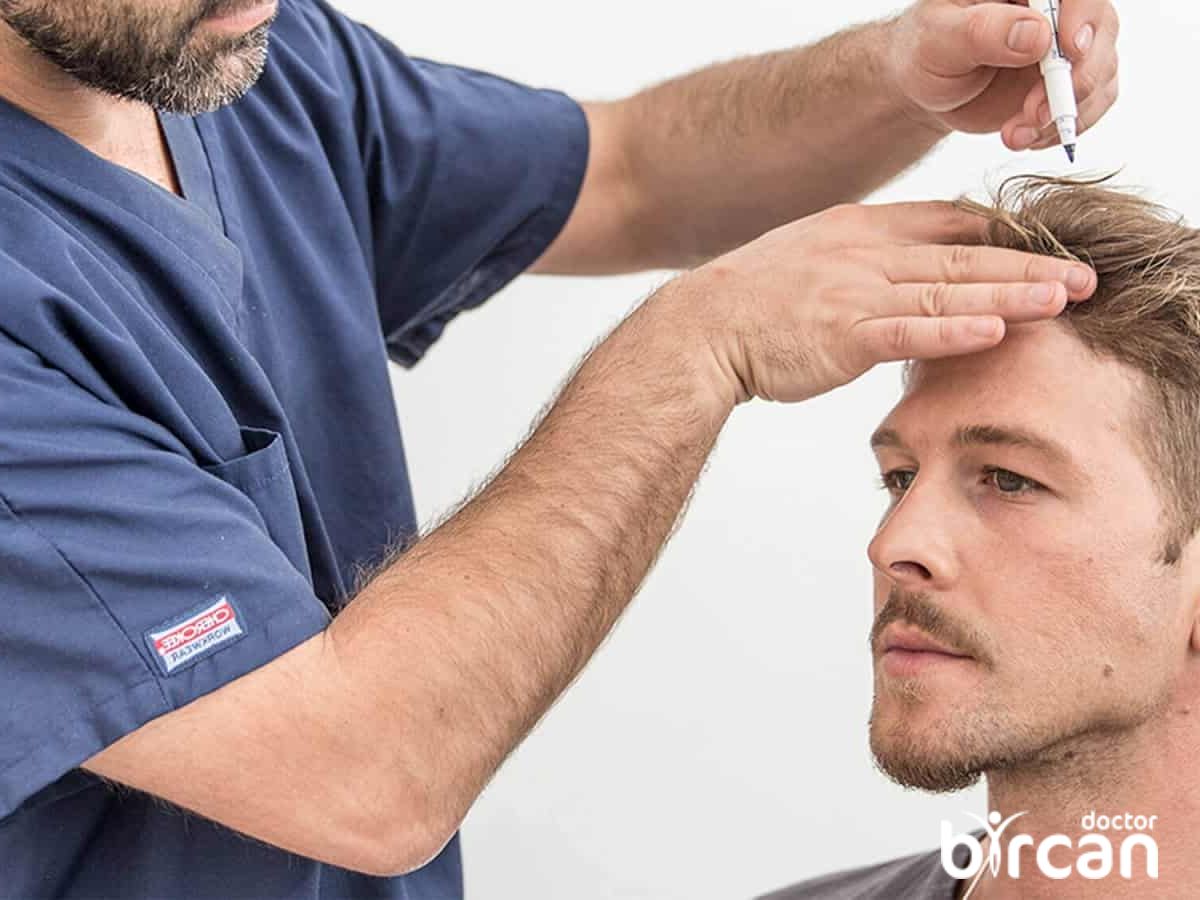
Follicular Unit Extraction (FUE)
FUE is a minimally invasive technique that involves extracting individual hair follicles directly from the donor area, usually the back and sides of the scalp, using a specialized micro-punch tool. These extracted follicles, known as grafts, are then meticulously implanted into the recipient areas experiencing hair loss.
Key characteristics of FUE:
-
Minimal Scarring: FUE leaves behind tiny, round scars in the donor area that are often barely visible, even with short haircuts. This is a significant advantage over the linear scar associated with FUT.
-
No Sutures: Since individual follicles are extracted, there is no need for sutures in the donor area, leading to a quicker and more comfortable recovery.
- Versatile Donor Area: FUE allows for the extraction of hair follicles from various parts of the body, although the scalp remains the most common donor site. This can be beneficial for individuals with limited donor hair on the scalp.
-
Suitable for Smaller to Moderate Hair Loss: While FUE can be used for extensive hair loss, it is often preferred for smaller to moderate areas of balding or thinning.
-
Potentially Longer Procedure Time: Extracting individual follicles can be a more time-consuming process compared to removing a strip of skin in FUT, especially for larger transplant volumes.
Follicular Unit Transplantation (FUT)
FUT, also known as the "strip method," is a more traditional hair transplant technique. It involves surgically removing a strip of skin containing healthy hair follicles from the donor area. This strip is then dissected under a microscope to separate individual follicular units, which are subsequently transplanted into the recipient sites. The donor area is closed with sutures, leaving a linear scar.
Key characteristics of FUT:
-
Larger Number of Grafts in a Single Session: FUT typically allows for the transplantation of a larger number of grafts in one session compared to FUE, making it suitable for individuals with extensive hair loss requiring significant coverage.
- Higher Graft Survival Rate (Potentially): Some studies suggest that FUT may result in a slightly higher graft survival rate due to less handling of individual follicles during extraction.
-
Linear Scar: The primary disadvantage of FUT is the linear scar left in the donor area. While it can usually be concealed by surrounding hair, it may be visible with very short haircuts.
-
Longer Recovery Time: The recovery period after FUT is generally longer than FUE due to the need for the donor site to heal and the removal of sutures.
-
Cost-Effective for Large Transplants: For individuals requiring a large number of grafts, FUT can sometimes be a more cost-effective option compared to FUE.
Direct Hair Implantation (DHI)
DHI is often considered an advanced variation of the FUE technique. It involves extracting individual hair follicles, similar to FUE, but utilizes a specialized pen-like instrument called the Choi Implanter Pen for direct implantation into the recipient area. This tool allows for simultaneous creation of the recipient site and placement of the graft, without the need for making separate incisions.
Key characteristics of DHI:
-
Minimizes Graft Handling Time: The direct implantation method in DHI reduces the time the extracted follicles are outside the body, potentially improving graft survival rates.
-
No Separate Incisions Required: The Choi Implanter Pen creates the recipient site and implants the graft simultaneously, which can lead to less bleeding and potentially faster healing.
-
Precise Graft Placement: DHI allows for greater control over the angle, depth, and direction of graft placement, potentially resulting in a more natural-looking hairline and overall density.
-
Often Unshaven Procedure: In some cases, DHI can be performed without completely shaving the recipient area, making it a more discreet option for certain individuals.
-
Potentially Higher Cost: DHI is often associated with a higher cost per graft compared to FUE and FUT due to the specialized instruments and the expertise required for the technique.
Choosing the Right Technique in Riyadh
The most suitable hair transplant technique for an individual in Riyadh depends on various factors, including:
-
Extent and Pattern of Hair Loss: The degree and pattern of balding will influence the number of grafts required and the most effective technique for achieving the desired coverage.
-
Hair Characteristics: Hair density, texture, and color can play a role in determining the best approach.
-
Patient Preferences: Factors such as the desire for minimal scarring, recovery time, and cost considerations will influence the choice of technique.
- Surgeon's Expertise: The experience and specialization of the hair transplant surgeon in Riyadh will also be a significant factor in the recommended technique.
Reputable hair transplant clinics in Riyadh offer consultations where a qualified surgeon will assess the individual's hair loss, discuss their goals, and recommend the most appropriate technique to achieve the best possible and natural-looking results.