
In our current fast-paced world, simply having a degree will not guarantee you a successful career. Many employers want graduates that can easily transform the theory that they learned into action. One of the largest problems that graduates face is known as the employability gap. This is the difference between what is learned in the classroom and what is required in the corporate world.
Bridging this employability gap is one of the largest focuses of every leading business school in jaipur. Even though theories learned in school are important, businesses want to hire graduates that have developed the ability to be flexible and have the experiential learning that is needed for today's business world. For this reason, the focus of business management is shifting from theory-based learning to learning that incorporates experiential learning.
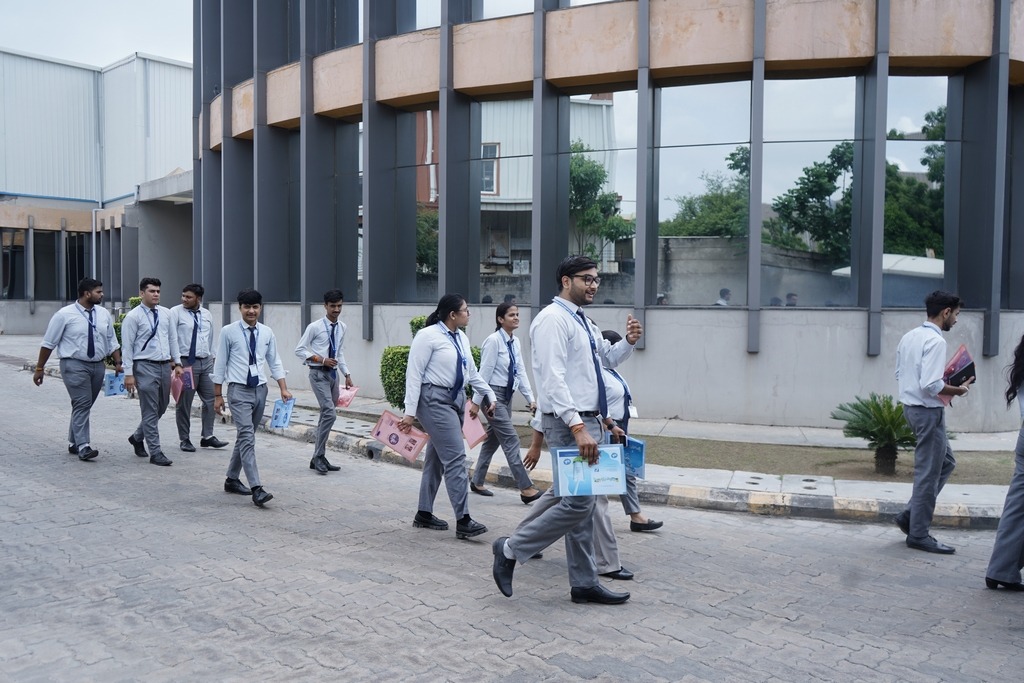
Industry-based education is one of the most successful ways to bridge the employability gap. This includes creating opportunities for students to engage with the business world and understand the demands of the business world. This is achieved through involvement in internships, placement programs, case studies, business simulations, and industry interactions. Such practical exposure has become an integral part of a quality mba course in jaipur.
Graduate employers are placing more focus on soft skills than ever before. Attributes such as good communication, being a team player, leadership, being flexible, and having good emotional intelligence coupled with time management are all more valued than pure technical skills. Business schools that offer skill-centric programs, workshops, presentations, and group activities enable students to develop the competencies that are highly valued by employers. These qualities are actively nurtured at a reputed Management college in jaipur.
Employability is being transformed through technology. Advanced automation, AI, data analytics, and digital marketing compel employers to seek a digitally adept, learning-oriented workforce. Therefore, an employability gap exists for students who fail to pursue technology-centered projects, digital skills workshops, and training. Such efforts provide a competitive edge to students in the job market.
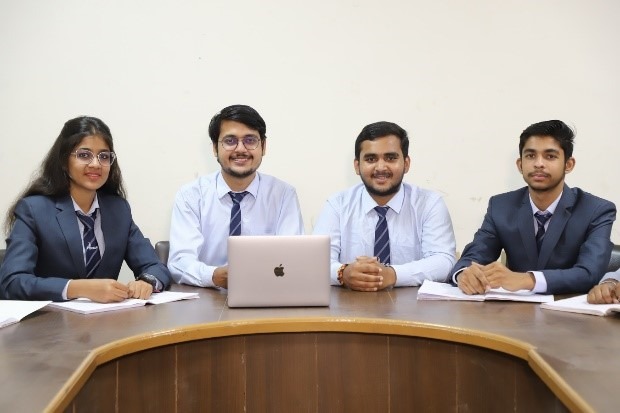
Additionally, the employability gap is diminished through strong industry-academia collaboration. Career workshops, industry guest lectures, and mentoring provide students with firsthand access to and insight into industry standards and practices, thereby fostering informed career decisions and improving employability.
Rather than perceiving the gap from classroom to corporate as a displacement, it should be viewed as an opportunity to combine academic excellence with industry collaboration, skill development, and practical exposure. Institutions recognized among the top mba college in rajasthan are increasingly adopting this approach to prepare students to deliver value from the very first day of their professional careers.
The employability gap must be bridged to produce future-ready professionals. Students who invest effort in learning beyond textbooks and actively participate in practical experiences are more likely to thrive in today's highly competitive business environment.